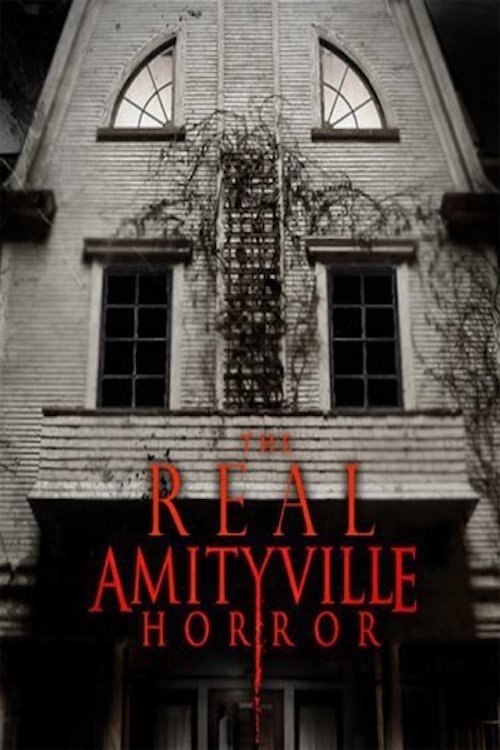
The Real Amityville Horror
2005
No user ratings available yet
Representation score: 1.1 out of 10
Representation Score
Minimal
2002
PG-13Director
John Kavanaugh
Runtime
94 minutes
Average Rating
No ratings yetNew Showbiz Analysis
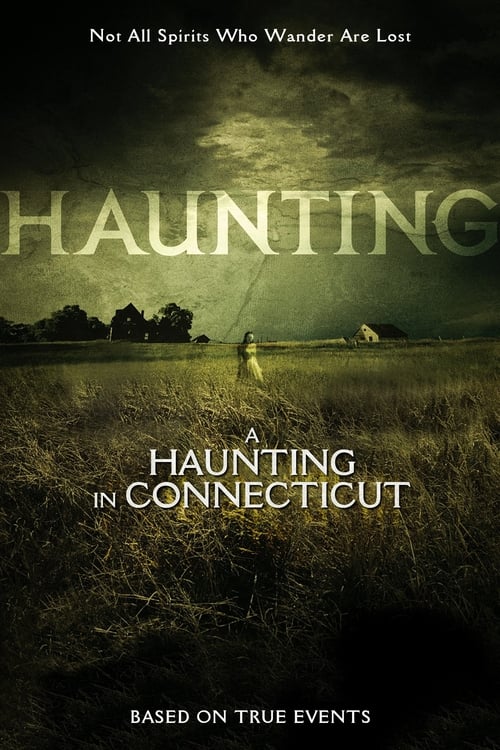
Haunting: A Haunting In Connecticut is a traditionalist horror film that adheres strictly to conventional social hierarchies. The narrative prioritizes the preservation of the nuclear family and reinforces established gender and racial norms without challenging them. The film lacks intentionality regarding perspectives that reflect multiple aspects of identity and relies on standard genre clichés, using medical illness as a tool for psychological tension rather than providing meaningful representation of lived experiences. Ultimately, the film functions as a conservative genre exercise, focusing on a homogeneous demographic and traditional Western values without attempting to deconstruct systemic institutions.
Category Breakdown
The film does not include any visible LGBTQ+ characters or non-straight relationships. It focuses solely on a traditional nuclear family structure.
Gender roles follow traditional hierarchies. The matriarch holds emotional weight, while male figures respond to supernatural threats.
The cast is predominantly white and middle-class. The story lacks diversity, reflecting a homogeneous domestic setting typical of its time.
The narrative upholds traditional Western values and religious frameworks. It portrays the family as a cohesive unit seeking spiritual solace against supernatural chaos.
Physical illness serves as a central plot driver and catalyst for horror. However, it functions more as a vehicle for trauma than a nuanced exploration of disability.
Present on Screen
Limited or Absent
Official Synopsis
A haunting documentary of a normal family living in Connecticut, who, after moving into their new house, are terrorized by an evil ghost that dwells in the home.
2005
2009
2013
2013

2022

2012
No reviews yet. Be the first to share your thoughts on this movie!
Use the rating form above to leave a star rating and optional review.