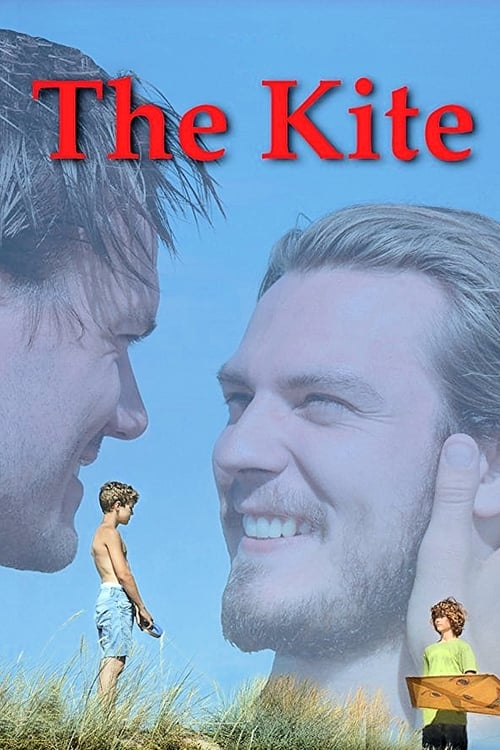
The Kite
2016
No user ratings available yet
Representation score: 3.6 out of 10

Representation Score
Good
2016
Director
Barbara Topsøe-Rothenborg
Runtime
109 minutes
Average Rating
No ratings yetNew Showbiz Analysis
One-Two-Three Now! is a conventional romantic drama that prioritizes intimate, character-driven storytelling over challenging social norms. It functions primarily within the established clichés of teenage love and terminal illness. The film excels in its nuanced exploration of physical vulnerability and the emotional impact of chronic illness, which shape the characters' interpersonal relationships. However, it lacks demographic breadth and operates within a homogeneous social setting, failing to disrupt traditional social hierarchies or expand its cultural scope.
Category Breakdown
The film focuses on a romantic relationship between Jeppe and a mysterious female peer. There is no indication of non-straight relationships or queer-coded subtext.
The story centers on the emotional journey of the female protagonist, who plays a significant role in shifting the power dynamics towards a more vulnerable, female-driven storyline.
As a Danish production, the film appears to prioritize a homogeneous social environment. The casting aligns with traditional Western demographic norms for regional romantic dramas.
The narrative explores human connection and the fragility of life through terminal illness. It remains grounded in individualist emotional realism rather than institutional critique.
The central arc involving cancer provides a platform to explore chronic illness. The film integrates mortality into the core romantic and developmental arcs of the characters.
Present on Screen
Limited or Absent
Official Synopsis
Jeppe falls for a mysterious girl from school, but their relationship is on borrowed time.
2016

2016
2010

2016

2018

2010

2020
2023
No reviews yet. Be the first to share your thoughts on this movie!
Use the rating form above to leave a star rating and optional review.