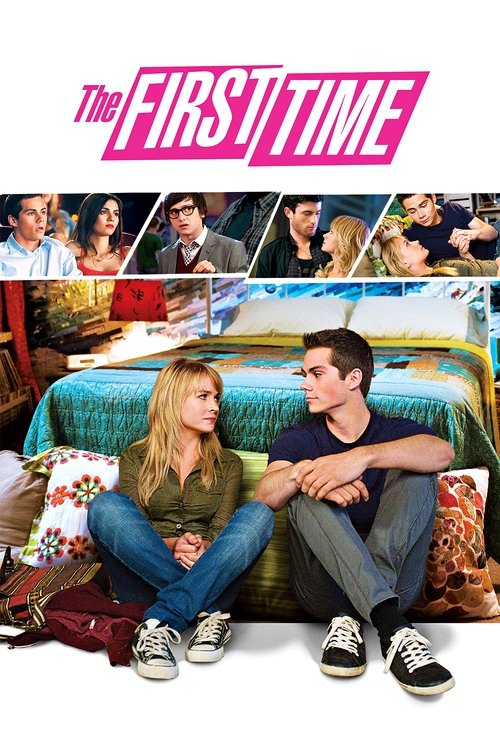
The First Time
2012
No user ratings available yet
Representation score: 3.5 out of 10

Representation Score
Limited
2010
PGDirector
Rob Reiner
Runtime
89 minutes
Average Rating
No ratings yetNew Showbiz Analysis
Flipped is a period piece that prioritizes the subversion of gender roles and class structures over broad demographic representation. By centering Juli Baker's role in the narrative, the film challenges the typical romantic dynamic where the male is the primary driver. However, the film is limited by its historical setting, resulting in a lack of racial and ethnic diversity. The narrative focuses almost exclusively on the socioeconomic distinctions between two white families in a mid-century American suburb. Ultimately, the film succeeds in its moral complexity and gender dynamics but remains a narrow portrait of a specific era and social class.
Category Breakdown
The story focuses entirely on heterosexual and cisgender childhood development. No queer-coded subtext or non-cisgender identities appear within the character arcs.
Juli Baker disrupts traditional gender clichés by serving as the proactive, intellectually curious driver of the plot. Bryce Loski often struggles with social hesitation, subverting standard male dominance in romantic narratives.
Set in the late 1950s and early 1960s, the film reflects the era's demographic homogeneity. The cast is predominantly white and lacks engagement with racial diversity.
The film uses dual perspectives to critique class-based prejudices. It frames the modest Baker household as a site of integrity compared to the Loski family's social hierarchies.
There are no prominent depictions of visible or invisible disabilities that drive the central character arcs or thematic elements.
Present on Screen
Limited or Absent
Official Synopsis
When Juli meets Bryce in the second grade, she knows it's true love. After spending six years trying to convince Bryce the same, she's ready to give up - until he starts to reconsider.
2012
2016
2014
2001
2017

1987

2020

2015
No reviews yet. Be the first to share your thoughts on this movie!
Use the rating form above to leave a star rating and optional review.