Autobahn
1979
No user ratings available yet
Representation score: 1.2 out of 10
Representation Score
Minimal
1970
Director
Lillian Schwartz
Runtime
4 minutes
Average Rating
No ratings yetNew Showbiz Analysis
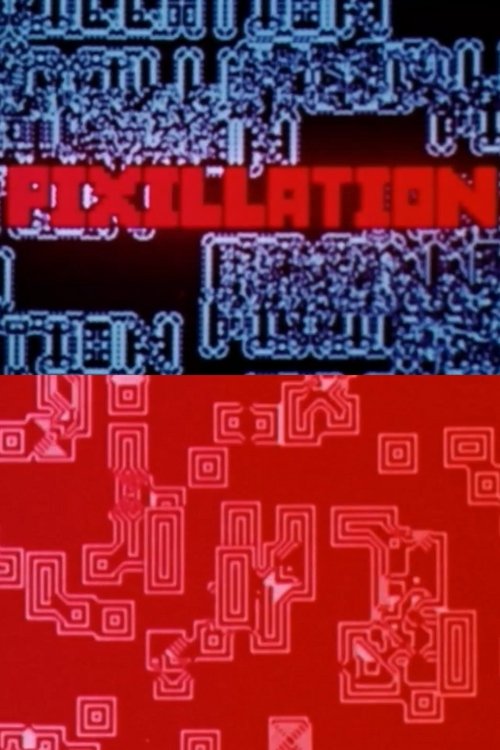
Pixillation is a formalist experiment that prioritizes sensory abstraction over traditional character-driven storytelling. Because the film eschews human figures and dialogue, it lacks the demographic markers necessary for standard identity-based representation. While the film scores low on traditional metrics, its significance lies in its disruption of cinematic structures. Schwartz’s presence as a female pioneer in early computer art provides a layer of gendered subversion through creative authority rather than on-screen depiction. Ultimately, the film functions as a postmodern critique of structured reality. It challenges viewers to engage with art through rhythm and texture rather than through social or narrative hierarchies.
Category Breakdown
The film focuses on sensory abstraction and lacks characters or romantic pairings. It does not depict LGBTQ+ identities or give them significant roles.
Lillian Schwartz’s role as a pioneer in computer animation challenges male-dominated technical fields. However, the film lacks human subjects to challenge traditional gender roles.
The visual language relies on abstract color and light rather than human casting. It avoids ethnic signifiers and does not engage in racial representation.
The work disrupts Western storytelling by rejecting linear progression and moral lessons. It prioritizes subjective sensory experience over established religious or institutional messaging.
There are no depictions of physical or neurodivergent identities. The absence of characters precludes any representation of disability.
Present on Screen
Limited or Absent
Official Synopsis
Pixillation features computer generated abstract animations set to Moog-synthesized sound.
1979

1947
1947
1940

1972

1971
1933
1990
No reviews yet. Be the first to share your thoughts on this movie!
Use the rating form above to leave a star rating and optional review.