The Sky, the Earth and the Rain
2008
No user ratings available yet
Representation score: 6.4 out of 10
Representation Score
Good
2007
Not RatedDirector
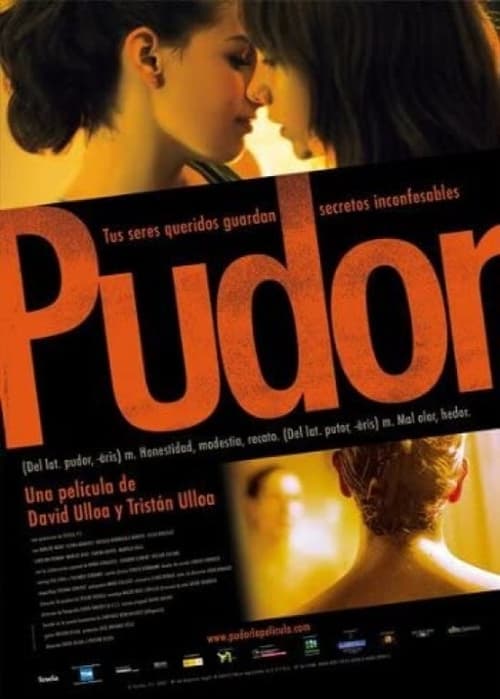
Tristán Ulloa, David Ulloa
Runtime
106 minutes
Average Rating
No ratings yetNew Showbiz Analysis
Modesty functions as a psychological study of isolation rather than a showcase of overlapping identities. It succeeds in deconstructing the idealized family cliché, replacing domestic stability with a fragmented, realistic view of human connection. While the film challenges traditional hierarchies, it lacks overt markers of progressivism. The narrative focuses heavily on internal, subjective experiences of desire and fear, which provides depth but misses opportunities for broader social representation. Ultimately, the film is a character-driven drama that prioritizes psychological realism over diverse demographic visibility.
Category Breakdown
The film explores themes of desire and obsession. However, it lacks explicit confirmation of LGBTQ+ identities or specific roles for queer characters within the plot.
The narrative decentralizes patriarchal structures by focusing on individual psychological struggles. It presents masculinity and femininity through lenses of vulnerability and isolation.
The film likely depicts a culturally specific, potentially homogeneous social environment. There is no evidence of significant racial blending or diverse casting.
The story critiques the sanctity of the domestic institution by portraying family members as isolated. It moves away from traditional moralities toward nuanced human behavior.
A small boy who sees ghosts introduces potential neurodivergence. It remains unclear if this is a character-driven portrayal or a supernatural plot device.
Present on Screen
Limited or Absent
Official Synopsis
Pudor is about intimacy, about the desires, obsessions, secrets and fears that we keep hidden, even from those we love most. The characters in this story are a man who is going to die, a woman who receives anonymous erotic notes, an older man who is offered a last chance at falling in love, a teenager struggling to handle the doubts generated by puberty and a small boy who sees ghosts. As is the case in many families, in spite of living together, all the characters in Pudor are alone.
2008

2015

1989
2014

2018
2016

2014

2011
No reviews yet. Be the first to share your thoughts on this movie!
Use the rating form above to leave a star rating and optional review.