
Three Weeks, Three Kids
2011
No user ratings available yet
Representation score: 1.9 out of 10
Representation Score
Minimal
2000
TV-GDirector
Bill Corcoran
Runtime
83 minutes
Average Rating
No ratings yetNew Showbiz Analysis
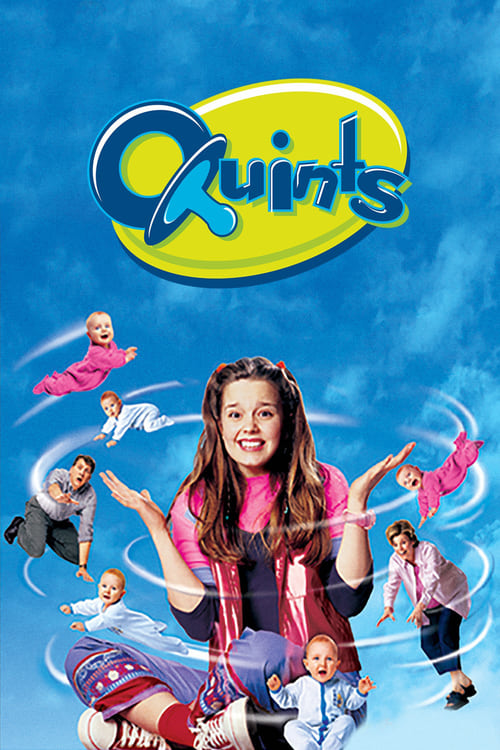
Quints is a typical domestic comedy-drama from the early 2000s, focusing on family conflicts and the logistics of a large birth. The story prioritizes relatable family situations over complex identity politics. The narrative follows established genre conventions, emphasizing a traditional family unit. This approach favors broad, accessible storytelling over the exploration of social hierarchies or systemic issues. Since the film centers on traditional domestic structures, it does not delve into multi-layered or non-traditional social identities.
Category Breakdown
The film does not include any characters with LGBTQ+ identities. The story revolves around a traditional family structure.
The film features a teenage girl and her mother, providing visibility for female characters. However, it relies on conventional gender stereotypes rather than challenging traditional gender roles.
The racial makeup of the cast is not specified. There is no indication of diverse casting or characters representing various backgrounds.
The storyline adheres to conventional family-centric themes. It does not address institutional or societal norms, focusing instead on the dynamics within the family.
The film does not mention any characters with disabilities, chronic illnesses, or neurodivergence. These aspects are not explored in the narrative.
Present on Screen
Limited or Absent
Official Synopsis
A teenager goes to desperate lengths to get attention when her mother gives birth to quints.
2011

2003
1997
1999

2005

2001

2019
1975
No reviews yet. Be the first to share your thoughts on this movie!
Use the rating form above to leave a star rating and optional review.