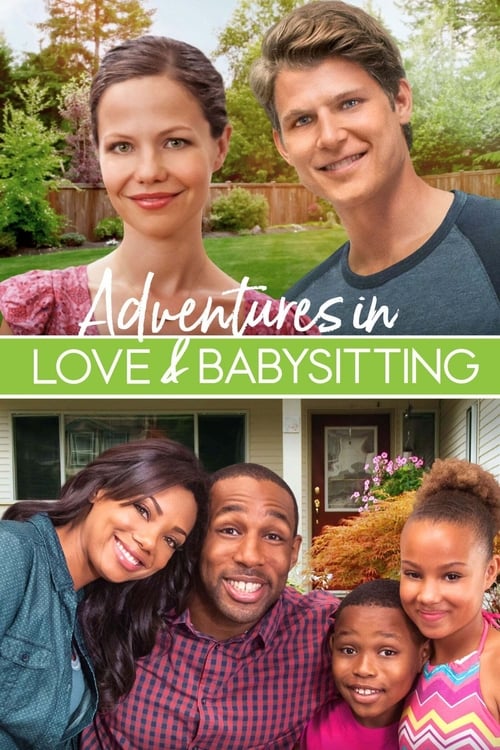
Bound & Babysitting
2015
No user ratings available yet
Representation score: 0.9 out of 10

Representation Score
Minimal
2011
TV-GDirector
Mark Jean
Runtime
87 minutes
Average Rating
No ratings yetNew Showbiz Analysis
Three Weeks, Three Kids functions as a conventional domestic comedy designed for mainstream accessibility. The film prioritizes traditional narrative structures and wholesome family values over challenging social norms. The storytelling relies heavily on established clichés, particularly regarding gendered domesticity and standard family dynamics. This approach results in a lack of complexity reflecting multiple aspects of diversity and cultural disruption. Ultimately, the film reflects early 2010s family-oriented television, favoring predictable social frameworks and homogeneous casting patterns.
Category Breakdown
The film does not include any LGBTQ+ characters or narratives that challenge the assumption that everyone is straight or cisgender. It follows a typical domestic storyline focused on traditional family structures.
The story centers around a woman who is independent and then transitions to a caregiver role. This setup relies on traditional gendered clichés related to maternal duties and the domestic sphere.
The production aligns with standard mid-market television demographics of the time. There is no indication of a non-white majority cast or intentional casting actors from diverse backgrounds.
The narrative emphasizes traditional social structures and familial bonds. It celebrates domestic stability rather than exploring secularist or anti-institutional themes.
There is no information available regarding the inclusion of characters with physical or neurodevelopmental disabilities.
Present on Screen
Limited or Absent
Official Synopsis
While taking care of her sister's children, a free-spirited woman discovers the hardships of raising a family.
2015
2011

2012

2012

2015

2012

2014

2001
No reviews yet. Be the first to share your thoughts on this movie!
Use the rating form above to leave a star rating and optional review.