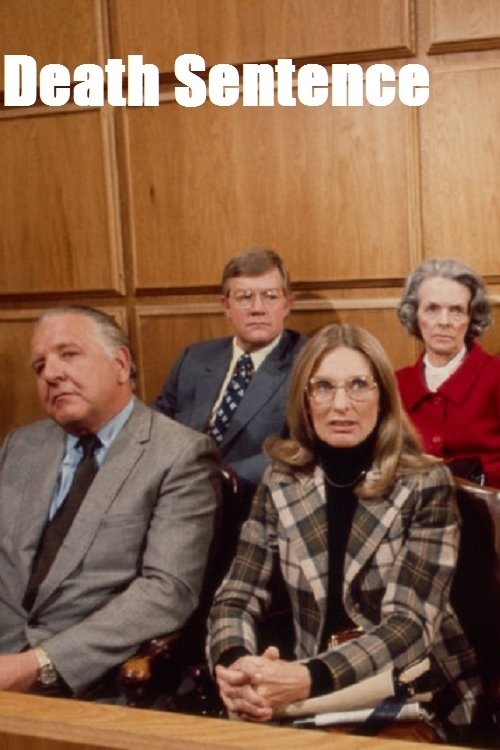
Death Sentence
1974
No user ratings available yet
Representation score: 0.6 out of 10

Representation Score
Limited
2000
Not RatedDirector
Michael W. Watkins
Runtime
90 minutes
Average Rating
No ratings yetNew Showbiz Analysis
Deadlocked is a conventional crime thriller that emphasizes a high-stakes legal drama structure over demographic complexity. The narrative is centered on a singular, character-focused conflict within established social hierarchies. The film relies on traditional clichés, such as patriarchal family bonds and standard courtroom dynamics. It lacks intentional subversion of identity or multi-layered representation, resulting in a narrow perspective. Ultimately, the work functions as a genre piece that focuses on a moral struggle of guilt and innocence rather than exploring diverse cultural or social identities.
Category Breakdown
The film does not include explicit LGBTQ+ characters or stories focusing on non-straight identities. The main conflict revolves around a traditional legal battle involving family.
The story centers on a patriarchal relationship, driven by a father's protective instincts. Masculinity is portrayed through a decisive, desperate character rather than challenging traditional gender roles.
There is no indication of a diverse cast or non-Anglo-Saxon majority. The courtroom setting implies a homogeneous demographic typical of standard US legal thrillers.
The narrative examines skepticism towards the judicial system through individual desperation rather than a broader cultural or systemic critique.
The film does not feature any characters with visible or invisible disabilities. There is no depiction of neurodivergence or mental health conditions.
Present on Screen
Limited or Absent
Official Synopsis
A young man is accused of rape and murder and placed on trial. His father doesn't believe that he is guilty, so in act of desperation he grabs the bailiff's guns and takes the whole jury hostage and insists that the prosecuting attorney re-investigates the crime that his son's accused of.
1974

2020

1996

1997
1991
1989
1991
1987
No reviews yet. Be the first to share your thoughts on this movie!
Use the rating form above to leave a star rating and optional review.