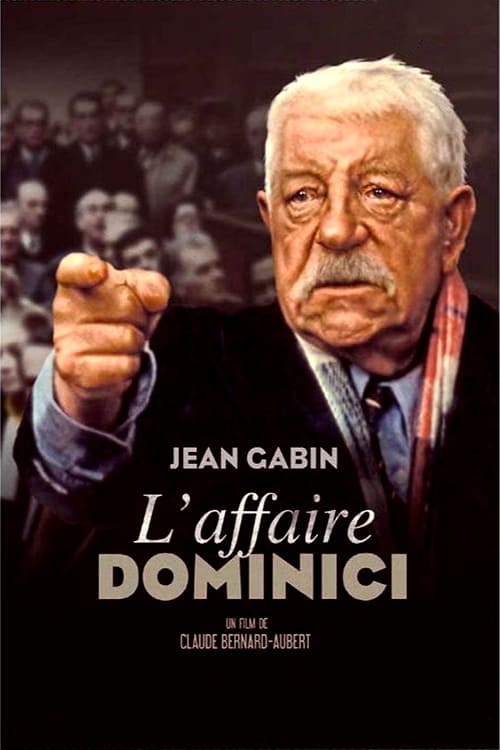
The Dominici Affair
1973
No user ratings available yet
Diversity score: 2.9 out of 10
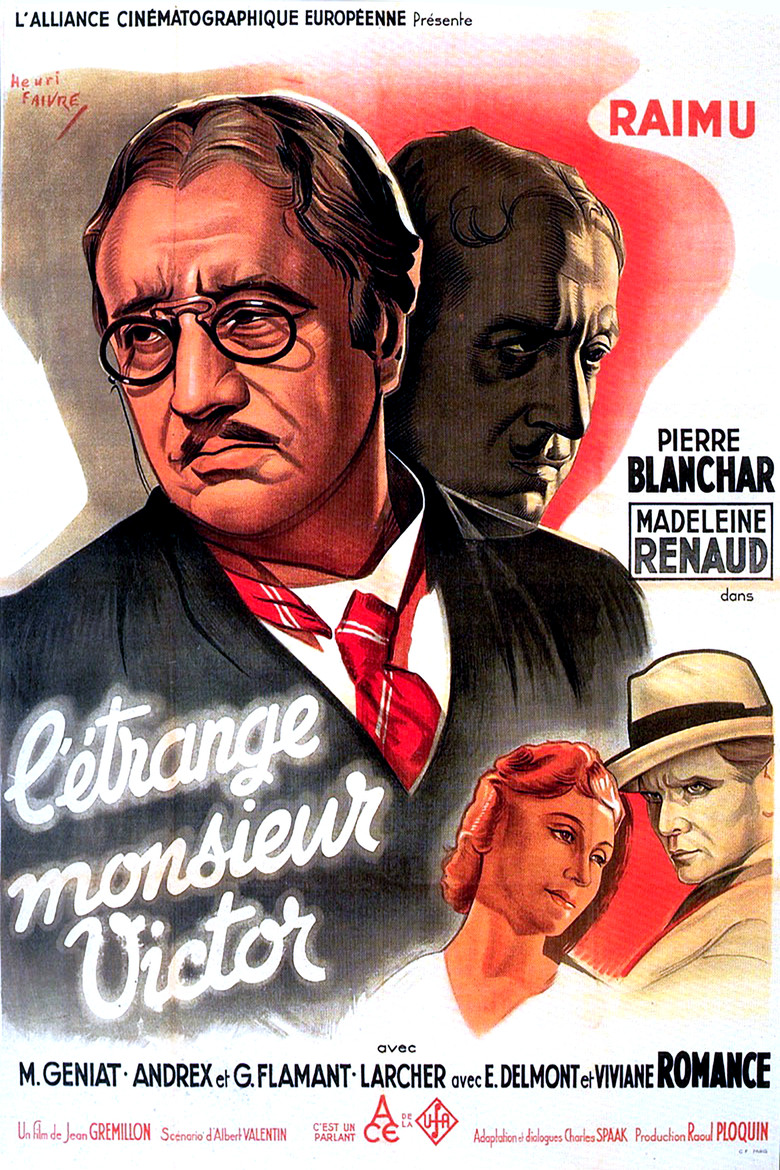
1938
Director
Jean Grémillon
Runtime
103 minutes
Average Rating
No ratings yetSynopsis
Outwardly, Monsieur Victor would appear to be the model citizen. A respectable Toulon shopkeeper, he has a devoted wife and is courteous and considerate to all who know him. However, beneath this veneer of respectability hides a notorious receiver of stolen goods, who trades with hardened criminals. Victor manages to keep up his double life without any difficulty until the fateful day when one of his partners in crime threatens to expose him. Fearing a scandal, Victor kills the crook in a moment of panic, using a shoemaker's tool. Naturally, the murder is blamed on a local shoemaker, who is sentenced to ten years' hard labour. Seven years later, the former shoemaker reappears in Toulon, having escaped from prison. The first person to recognise him is Monsieur Victor...
Overall Score
Fair
Category Breakdown
LGBTQ+ Representation
The film focuses on heteronormative romantic tensions and domestic infidelity. There is no evidence of non-cisnormative gender identities or same-sex intimacy within the plot.
Gender Representation
The narrative explores the tension between domesticity and agency through Marie. While female agency is often circumscribed by community judgment, the film avoids simple archetypes by highlighting psychological burdens.
Racial & Ethnic Diversity
Set in a 1938 French provincial town, the casting reflects the demographic homogeneity of the era. The film lacks intentional intersectional diversity but avoids racialized tropes.
Religious & Cultural Diversity
The film provides a sophisticated critique of small-town respectability and social order. It portrays rigid communal morality as a force capable of causing profound injustice and systemic error.
Disability Representation
There are no prominent depictions of visible or invisible disabilities that serve as central narrative drivers in the film.
Strengths
Areas for Improvement
AI Analysis
Jean Grémillon’s work moves beyond simple morality tales to explore the friction between individuals and societal structures. The film succeeds by prioritizing psychological complexity and moral relativism over a clear-cut dichotomy of good versus evil. However, the film is limited by its historical context, lacking modern intersectional markers such as racial or LGBTQ+ diversity. It remains deeply rooted in the demographic homogeneity of 1930s provincial France. Ultimately, the film's strength lies in its refusal to validate the traditional social order. It presents respectability as a fragile mask for criminality and hypocrisy rather than an inherent virtue.
1973

1959
1962

1949

1941
1952
1955
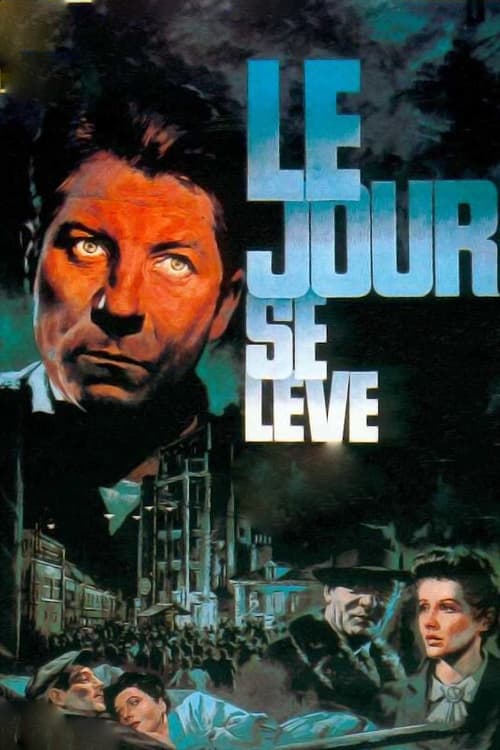
1939
1948
1931
1946
1946
No reviews yet. Be the first to share your thoughts on this movie!
Use the rating form above to leave a star rating and optional review.