Christmas Comes to Pac-land
1982
No user ratings available yet
Representation score: 2.5 out of 10
Representation Score
Limited
1977
TV-GDirector
Hal Sutherland
Runtime
23 minutes
Average Rating
No ratings yetNew Showbiz Analysis
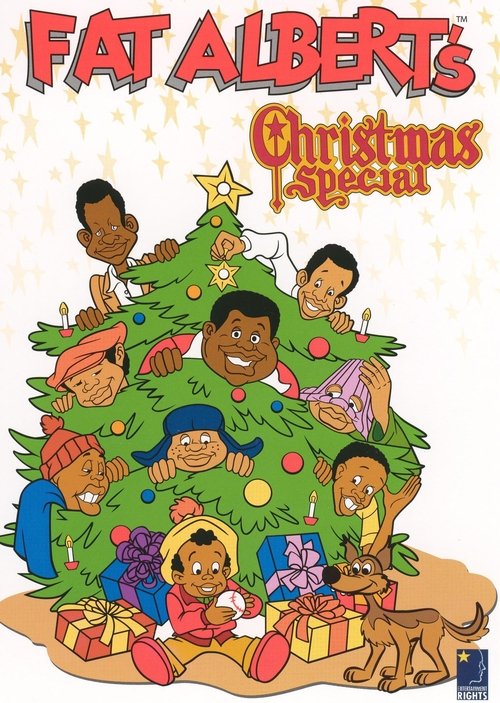
The special stands out for its focus on an African American community, providing high ability to act to characters of color. However, it adheres to traditional social norms regarding gender and sexuality, with a male-dominated cast and no representation for LGBTQ+ or disabled individuals. Ultimately, the work portrays the strength of working-class communities facing systemic challenges like housing and healthcare.
Category Breakdown
The story follows traditional structures focused on straight relationships, with no LGBTQ+ characters included.
The main characters are mostly male, with female characters playing secondary roles that don't challenge traditional gender hierarchies.
The production features a predominantly African American cast, which was a significant departure from 1970s animation standards. It centers the lived experiences and real control of Black characters.
The film explores the struggles of living in poverty and accessing healthcare. It highlights the importance of community and grassroots morality over institutional or capitalist structures.
There are no prominent depictions of visible or invisible disabilities. The narrative focuses on socioeconomic and age-based developmental themes.
Present on Screen
Limited or Absent
Official Synopsis
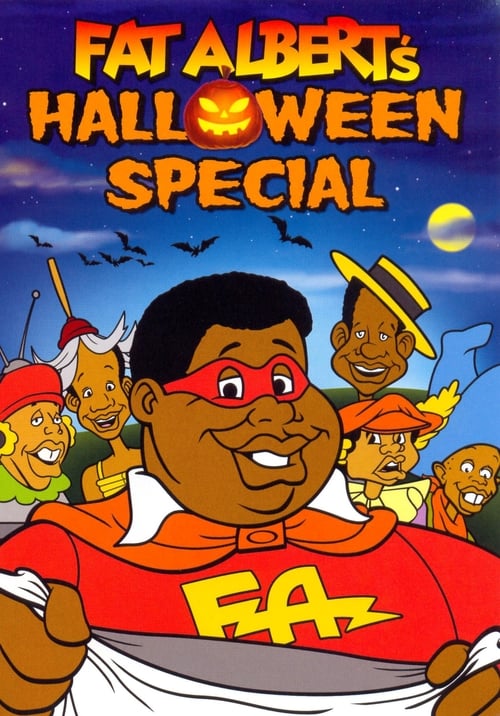
The Cosby Kids are rehearsing for a Christmas pageant at their junkyard clubhouse, which Tyrone, the mean old junkyard owner, is fixin' to tear down. That's when Marshall & his parents show up. With their car broken down, Marshall's mom is about to have a baby and his dad, without health insurance, inspires the gang to invite them in the clubhouse for shelter. Tyrone agrees to let them stay until the baby is born, in exchange for Fat Albert working for him as a sidewalk Santa. "Ho-ho-ho's" in Fat Albert fashion ensue. After the old hobo, Mudfoot, gives Tyrone a lecture about how he's been grumpy at the world ever since his wife died, the junkyard owner has a change of heart and promises to keep the gang's clubhouse in tact.
1982

1987
1980
1976
1977
2002
1962
2001
No reviews yet. Be the first to share your thoughts on this movie!
Use the rating form above to leave a star rating and optional review.