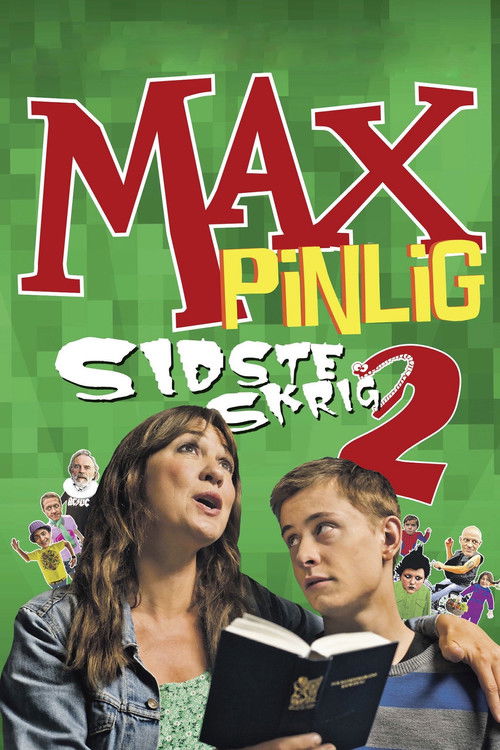
Max Embarrasing 2
2011
No user ratings available yet
Representation score: 4.5 out of 10

Representation Score
Limited
2012
Director
Lotte Svendsen
Runtime
100 minutes
Average Rating
No ratings yetNew Showbiz Analysis
Max Embarrassment at Roskilde operates as a traditional coming-of-age comedy centered on domestic relatability. The plot prioritizes the emotional development of a single protagonist navigating the transition to adulthood within a conventional family structure. The film relies heavily on established social archetypes and familiar patterns. It lacks the narrative complexity needed to address broader social hierarchies or diverse identities, focusing instead on localized, character-driven comedic tension. Ultimately, the work functions within a standard European comedic framework. It emphasizes the importance of familial love and traditional social norms rather than challenging them through diverse representation.
Category Breakdown
The story follows a traditional romantic relationship between Max and Kaya. There is no evidence of any queer undertones or non-binary identities within the narrative.
The film highlights the mother's decision to support Max, emphasizing her role as a protector. However, this portrayal does not challenge traditional gender roles.
The setting suggests a uniform Danish social environment. There is no indication of diverse casting or intentional blending of different cultural backgrounds.
The narrative reinforces traditional Western values regarding family bonds and individual growth. It focuses on the tension between personal freedom and established family structures.
The provided information contains no mention of physical or neurodivergent disabilities. No characters are identified as having specific accessibility needs or disabilities.
Present on Screen
Limited or Absent
Official Synopsis
Max has finished school and is becoming an adult. He is on his way to find a life outside his mother's overprotective wings. When he meets Kaya, she gives him the final push to become independent and finally to move out. He moves over to his father but ends up as a lodger at the neighbour Steen Kold. Max would like to go to the Roskilde Festival with Kaya and gets help with the tickets from Steen Kold who is also coming along. Mom is afraid of what will happen to Max, so she decides to follow him and Steen Kold. This leads to many poignant and incredibly embarrassing episodes deeply rooted in her great love for her son, but also in her desire to still be in the centre of his attention.
2011
2000

2008
2001
2009

2012

2019
1985
No reviews yet. Be the first to share your thoughts on this movie!
Use the rating form above to leave a star rating and optional review.