Magnetic
2015
No user ratings available yet
Representation score: 7.3 out of 10
Representation Score
Good
2011
TV-14Director
Edgar Honetschläger
Runtime
100 minutes
Average Rating
No ratings yetNew Showbiz Analysis
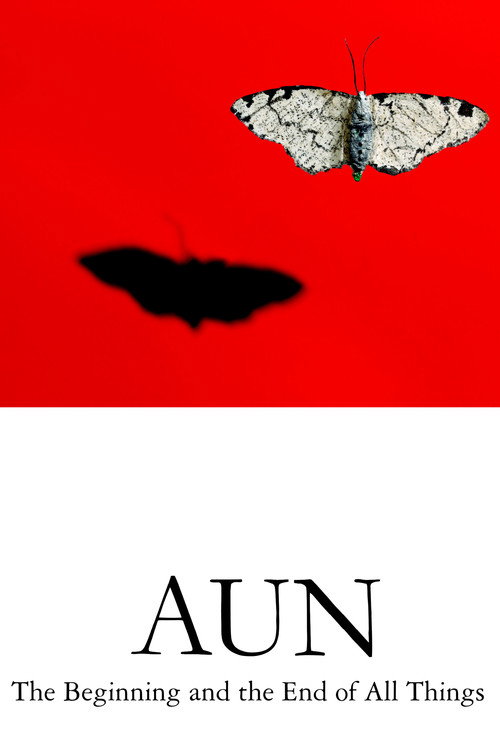
AUN: The Beginning and the End of All Things is a speculative science fiction film that challenges Western dominance in science and technology. By highlighting Japanese and Brazilian scientific legacies, it offers a globalized perspective on intellectual progress. The film's strength lies in its thematic depth, using the Fukushima tragedy to critique industrialism and systemic vulnerabilities. However, it falls short in explicitly representing LGBTQ+ identities and disabilities, relying instead on experimental storytelling techniques.
Category Breakdown
The film doesn't include explicit LGBTQ+ characters, but its non-linear structure avoids typical romantic clichés, allowing for fluid identity exploration.
While male characters drive the plot, the film challenges traditional masculinity by emphasizing emotional states and existential vulnerability.
The story centers around Japanese and Brazilian identities, disrupting Western-centric scientific narratives with a diverse cast that reflects a globalized worldview.
The film critiques industrial modernity through the lens of the Fukushima disaster, focusing on subjective experiences and systemic failures rather than Western moral frameworks.
There is no explicit depiction of physical or neurodivergent disabilities in the narrative or among the cast.
Present on Screen
Limited or Absent
Official Synopsis
When looking for alternative energy sources, the Japanese scientist Sekai tragically dies. Twenty years later the Brazilian mathematician Euclides continues his research. The lack of an essential component won't allow a breakthrough. Only AUN, Sekai's son, seems to hold the key to protect mankind from self-destruction. In the aftermath of the nuclear tragedy in Fukushima the film appears like a prophecy. AUN's dream-like images, complemented by music from Christian Fennesz and Ryuichi Sakamoto, lead into a fantastic and exciting world, full of brightness and darkness of life.
2015
2009

2012

2006

2011
2020
2016

1984
No reviews yet. Be the first to share your thoughts on this movie!
Use the rating form above to leave a star rating and optional review.