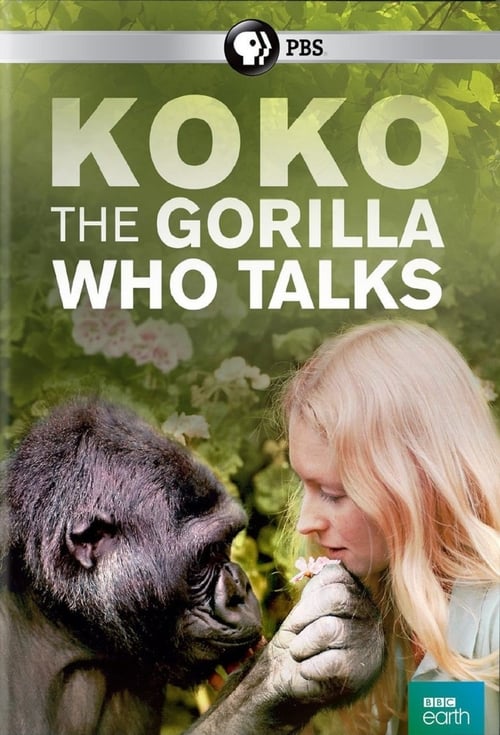
Koko: The Gorilla Who Talks to People
2016
No user ratings available yet
Representation score: 6.5 out of 10
Representation Score
Fair
1970
Director
Akira Kurosawa, Ryō Kinoshita
Runtime
73 minutes
Average Rating
No ratings yetNew Showbiz Analysis
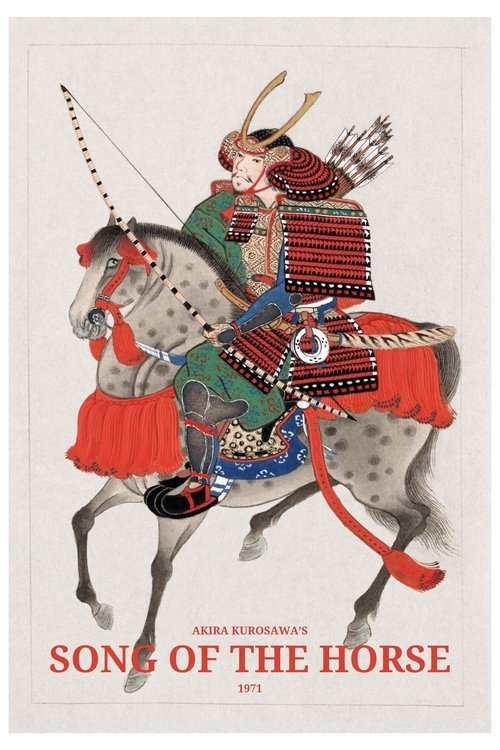
Song of the Horse is a contemplative documentary that emphasizes ecological and generational themes over social identity issues. By focusing on the life cycle of a thoroughbred and the evolving relationship between humans and nature, the film steers clear of traditional character-driven social representation. It successfully presents a sophisticated, non-confrontational look at the human condition through a lens of loss. However, its specific subject matter and documentary format limit its potential for characters who reflect more than one aspect of diversity.
Category Breakdown
The film does not depict any LGBTQ+ identities and focuses solely on the development of horses and stories passed down through generations.
The story follows a patriarchal line from grandfather to grandson, with limited subversion of traditional male-dominated storytelling.
The film reflects a culturally homogeneous environment, centered around its Japanese setting and focus on horses. It does not address diverse ethnic identities.
The film explores cultural values through the changing relationship between humans and nature, offering a reflective view of tradition.
There is no evidence regarding the portrayal of physical or neurodivergent identities within this work.
Present on Screen
Limited or Absent
Official Synopsis
Akira Kurosawa’s only television work—a lyrical documentary that follows a thoroughbred from birth and training to the Japan Derby—framed by a grandfather’s narration to his grandson about the fading bond between people and horses.
2016
1994

2019
2004

1960
2020
2018
1966
No reviews yet. Be the first to share your thoughts on this movie!
Use the rating form above to leave a star rating and optional review.