Love & Bananas: An Elephant Story
2018
No user ratings available yet
Representation score: 7.8 out of 10
Representation Score
Good
2016
Not RatedDirector
Jonathan Taylor
Runtime
58 minutes
Average Rating
No ratings yetNew Showbiz Analysis
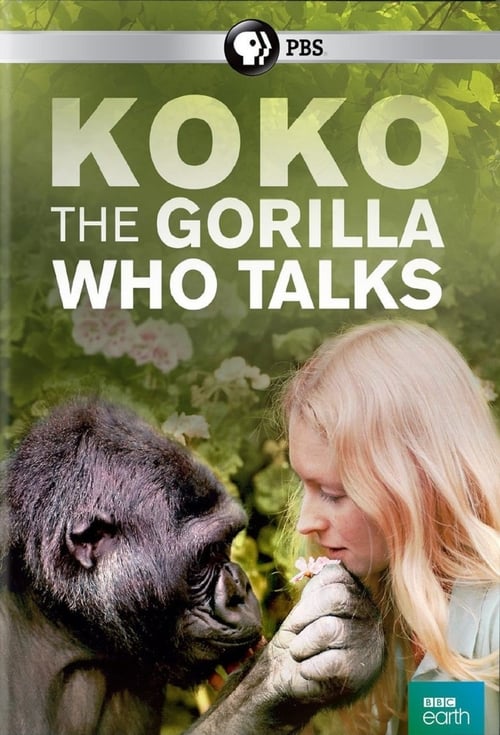
The documentary centers on the unique bond between Penny Patterson and Koko. It emphasizes Patterson's intellectual contributions and challenges established academic structures. However, the film lacks broader representation of diverse identities and social issues. The focus remains narrow, centered on a specific scientific community and a singular human-animal relationship. Ultimately, the film highlights individual stories rather than exploring broader social issues or diverse representation.
Category Breakdown
The film explores a deep emotional bond between Penny Patterson and Koko that goes beyond species. However, it does not include explicit storylines involving LGBTQ+ characters or identities.
Penny Patterson is shown as a strong and resilient figure. The movie highlights her intellectual work and her role in driving the story, avoiding typical stereotypes of women.
The documentary focuses mainly on its specific subjects and does not feature a diverse cast or characters representing different racial backgrounds.
The story questions Western scientific institutions and zoo bureaucracies through Patterson's experiences. It looks at personal beliefs about animal rights and the consciousness of animals.
Koko’s use of sign language serves as a metaphor for non-verbal communication. This narrative reflects the efforts of individuals with communication challenges.
Present on Screen
Limited or Absent
Official Synopsis
Documentary telling the extraordinary story of Koko, the only 'talking' gorilla in the world, and her lifelong relationship with Penny Patterson. Project Koko started as a PhD project to teach sign language to a baby gorilla, but as Koko began to communicate with Penny, an intense bond formed between them. Penny has now been with Koko for over 40 years and claims Koko can reveal fresh insights into the workings of an animal's mind. Koko's unique life with Penny has been filmed every step of the way. Over 2,000 hours of footage chart the most dramatic moments - Penny's battle to keep Koko from being taken back to the zoo in which she was born, Penny's clash with academic critics who doubted her claims and the image of Koko mourning the death of her kitten.
2018
2011
2005
2017
2018
2020
2017
2013
No reviews yet. Be the first to share your thoughts on this movie!
Use the rating form above to leave a star rating and optional review.