Key Witness
1947
No user ratings available yet
Representation score: 0.6 out of 10
Representation Score
Minimal
1953
Director
John Gilling
Runtime
61 minutes
Average Rating
No ratings yetNew Showbiz Analysis
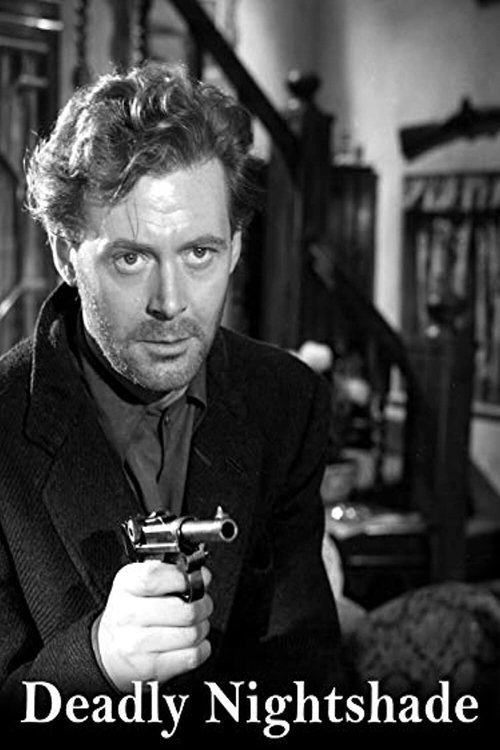
Deadly Nightshade is a typical 1950s British crime drama. The plot centers on male-driven conflicts involving identity theft and police procedures, limiting the range of representation. The film lacks complexity in representing multiple aspects of identity, focusing instead on restoring social order and reinforcing legal institutions. This results in a narrow demographic focus that aligns with the casting norms of mid-century British cinema. While the film effectively serves its genre, it offers little in terms of diverse perspectives or social critique, staying within traditional boundaries.
Category Breakdown
The film does not include any LGBTQ+ characters or stories about non-cisgender identities. It follows the typical straight-focused norms of the 1950s.
The storyline revolves around male-driven conflicts involving identity theft and criminal activities. Female characters tend to play supporting or reactive roles in the crime drama.
The movie reflects the homogeneous demographics of 1953 British cinema. There is no indication of non-white actors or diverse ethnic representation in the story.
The story emphasizes Western legal systems and social order. It focuses on the consequences of criminal behavior rather than questioning institutional authority.
There are no characters with visible or invisible disabilities in the film. Disability is not used as a narrative element in this production.
Present on Screen
Limited or Absent
Official Synopsis
Escapee switches identities but finds the new one quite a handful.
1947
1964
1959
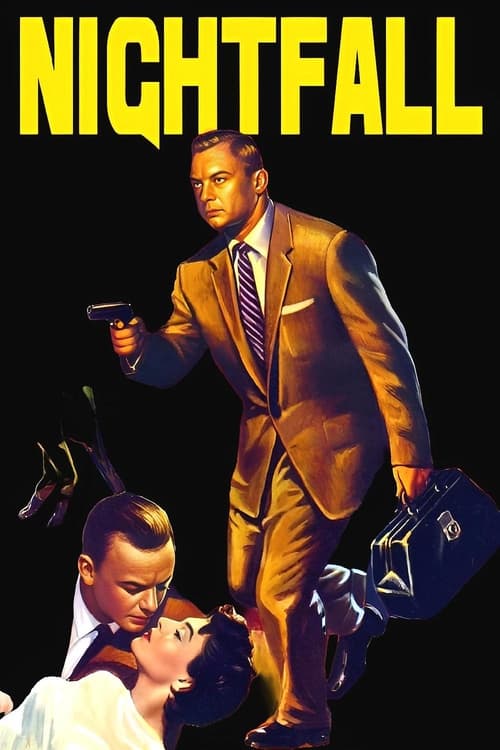
1956

1939
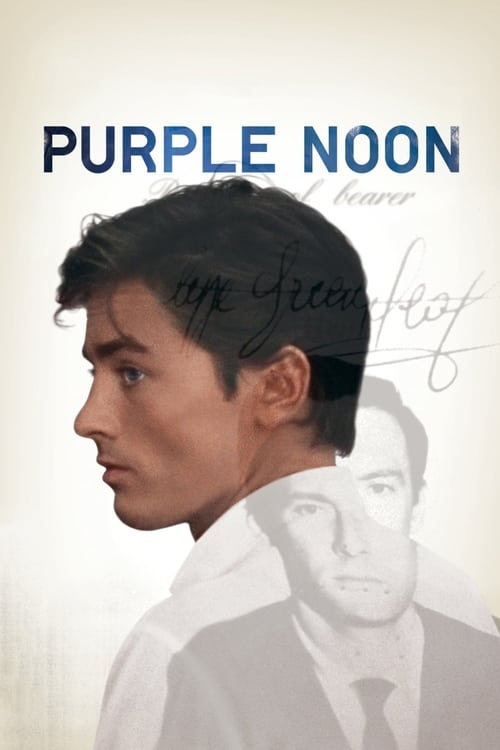
1960
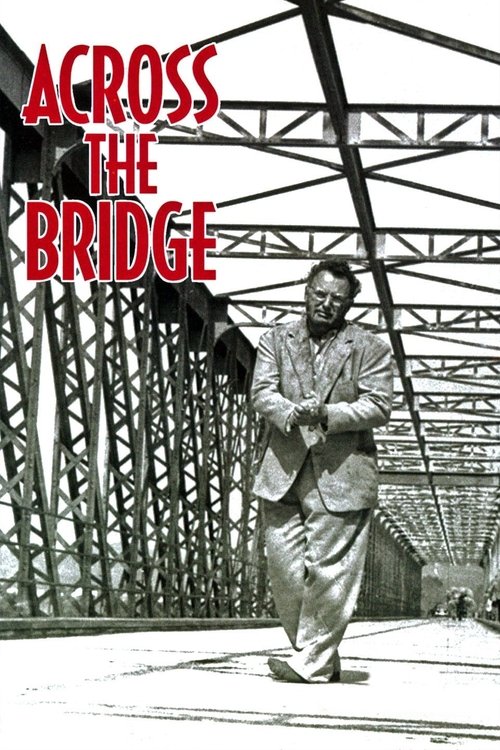
1957
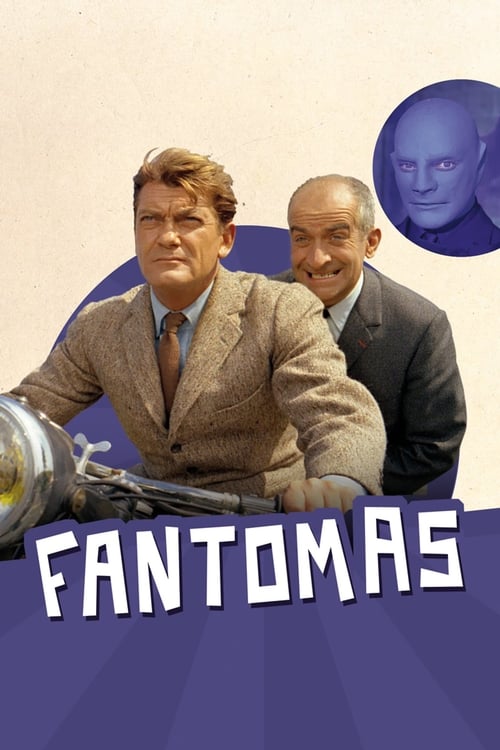
1964
No reviews yet. Be the first to share your thoughts on this movie!
Use the rating form above to leave a star rating and optional review.