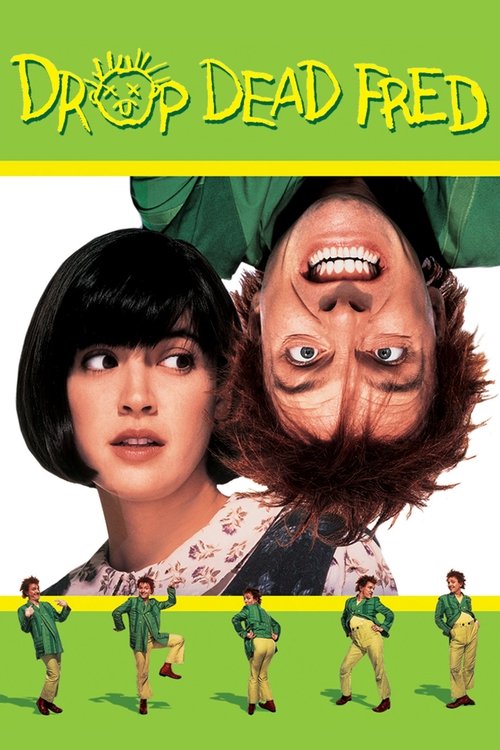
Drop Dead Fred
1991
No user ratings available yet
Representation score: 3.7 out of 10
Representation Score
Limited
1990
PGDirector
Sidney Poitier
Runtime
84 minutes
Average Rating
No ratings yetNew Showbiz Analysis
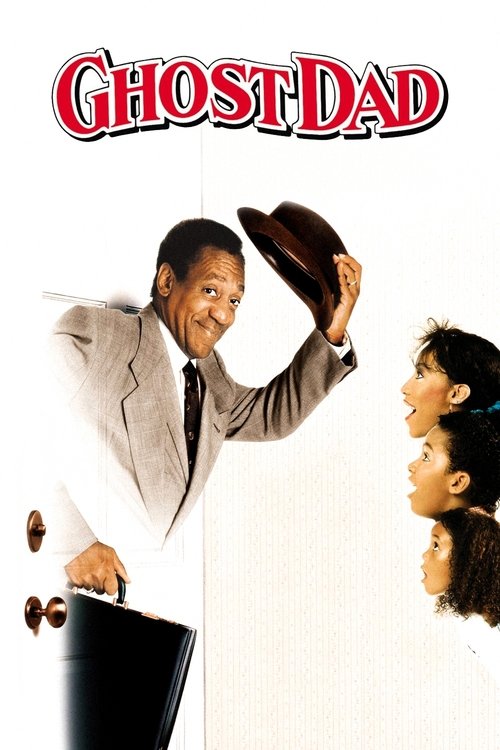
Ghost Dad presents a mix of progressive and traditional elements. By placing a Black family in a middle-class suburban setting, the film challenges the era's tendency to link people of color exclusively to struggles. Directed by Sidney Poitier, this normalization of Black domesticity is its most forward-thinking aspect. However, the film also upholds traditional Western values, emphasizing the sanctity of the nuclear family and economic stability. It adheres to conventional gender roles and straight-centered structures, focusing on the male protagonist's role as a provider. In essence, the film disrupts racial stereotypes while maintaining traditional domestic clichés, offering a glimpse of racial integration within a conservative social framework.
Category Breakdown
The film does not include any LGBTQ+ characters or explore non-straight relationships. Its focus is on rebuilding a typical nuclear family structure.
The roles in the film generally follow traditional gender roles, emphasizing caretaking and emotional support. However, the female lead is shown as a capable partner rather than a passive accessory.
By centering a Black family in a middle-class suburban setting, the film makes a progressive move away from the era's tendency to depict people of color only in contexts of struggle. It portrays Black domestic life without focusing on racial trauma.
The story follows conventional Western comedy themes, emphasizing the importance of family and economic stability. It does not offer any critique of Western institutions or include diverse cultural viewpoints.
The supernatural element in the film is used primarily as a comedic plot device rather than a serious exploration of disability. The film does not address physical or neurodivergent conditions directly.
Present on Screen
Limited or Absent
Official Synopsis
Elliot Hopper, a widower with three children, is working on a business deal to get his family out of financial straits when he is suddenly killed in a taxi accident. With the aid of a paranormal researcher, Elliott attempts to complete the deal from the beyond, ensuring his family will be taken care of.
1991

1993
1998
1988
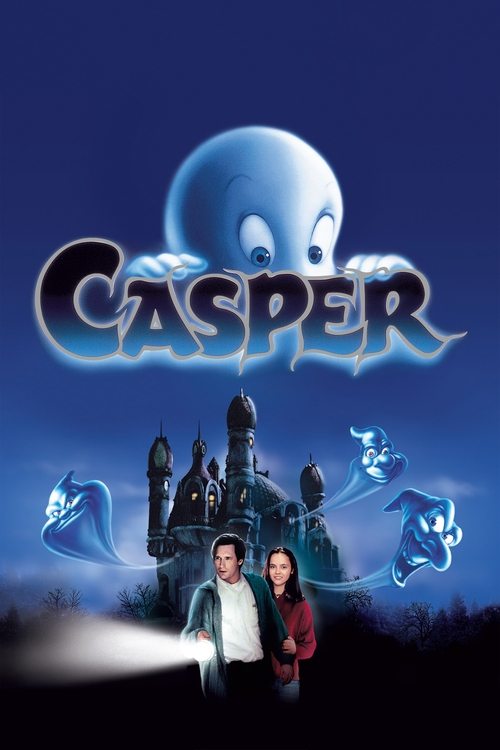
1995
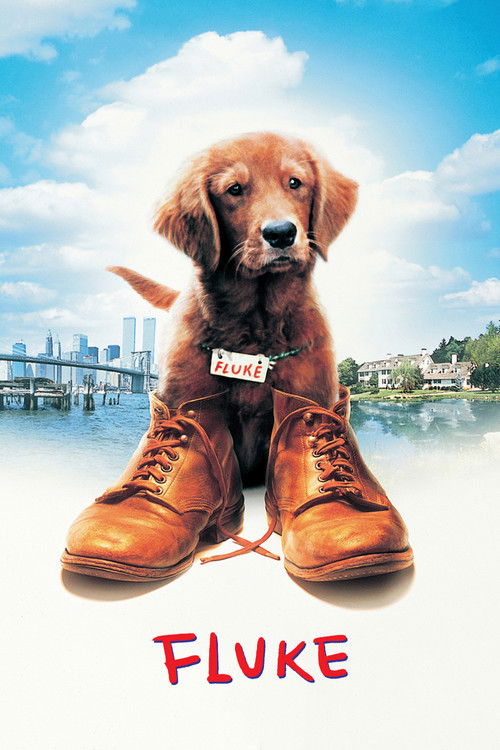
1995
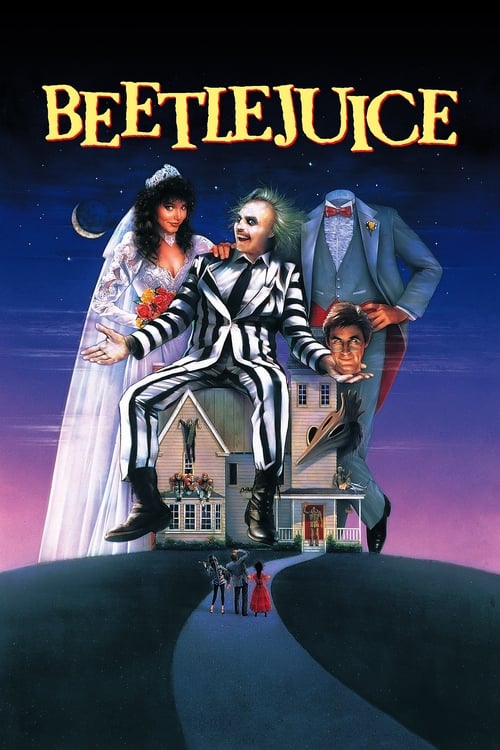
1988
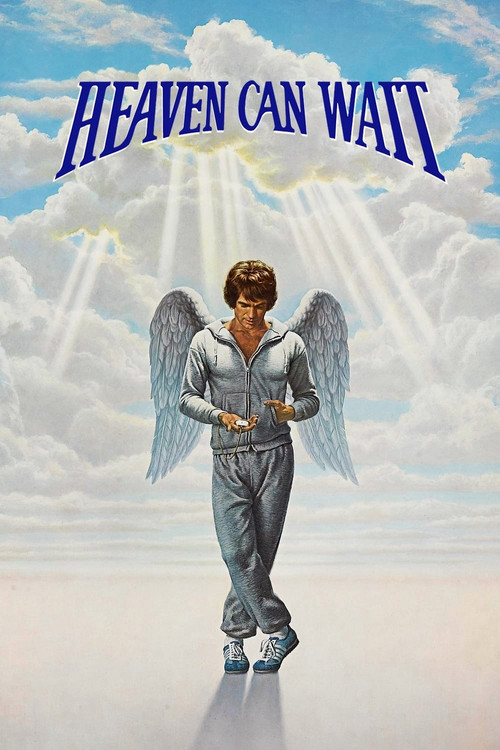
1978
No reviews yet. Be the first to share your thoughts on this movie!
Use the rating form above to leave a star rating and optional review.