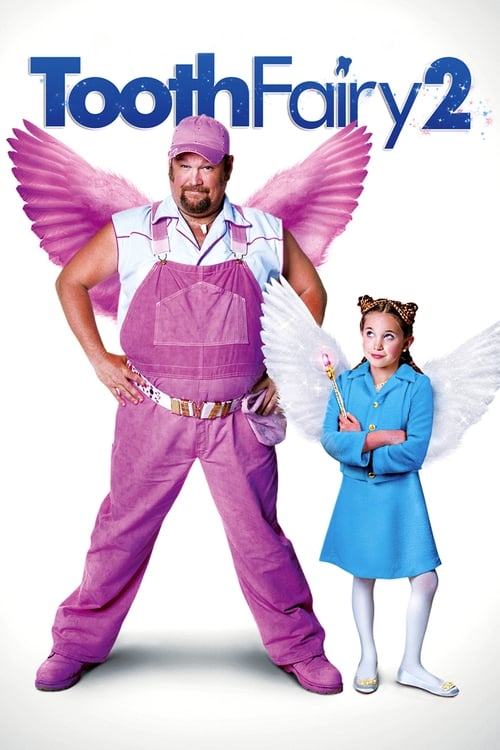
Tooth Fairy 2
2012
No user ratings available yet
Representation score: 2.3 out of 10
Representation Score
Limited
2010
PGDirector
Michael Lembeck
Runtime
101 minutes
Average Rating
No ratings yetNew Showbiz Analysis
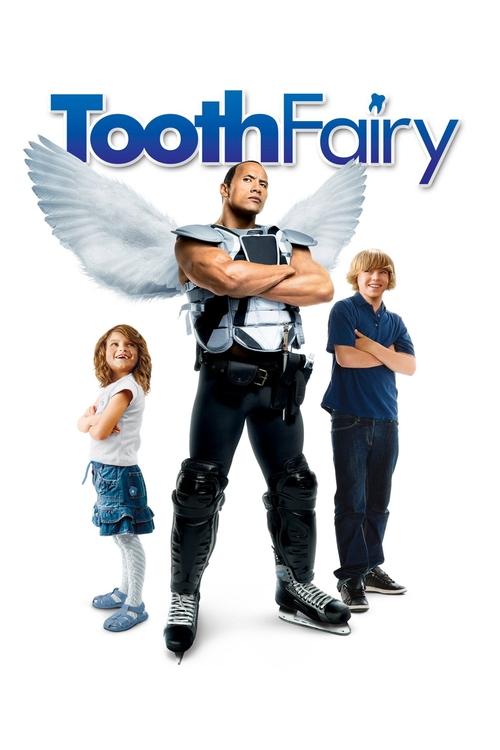
Tooth Fairy relies heavily on traditional Hollywood clichés and conventional social hierarchies. While it includes a diverse cast of children to reflect a broad demographic, it lacks the intentionality needed to challenge established norms. The film's humor often stems from the subversion of masculinity through a magical punishment, yet this serves a standard redemption arc rather than a systemic critique of gender. Cultural and religious themes remain firmly rooted in Western moral structures. Ultimately, the production prioritizes accessible, mainstream storytelling over nuanced representation of disability, race, or queer identities.
Category Breakdown
The film follows a conventional framework that assumes everyone is straight or cisgender. There are no queer narratives or non-cisgender gender identities present in the character arcs.
The story centers around a hyper-masculine protagonist who undergoes a comedic transformation into a traditionally feminine role. Female characters remain secondary, primarily serving as catalysts for the male lead's development.
A diverse ensemble of children provides a baseline of inclusion. However, the film follows standard commercial patterns without engaging with multi-layered identities or disrupting Anglo-centric norms.
The narrative reinforces traditional Western values and social stability. It focuses on individual responsibility and family rather than deconstructing religious or institutional structures.
The film lacks meaningful depictions of physical or neurodivergent disabilities. Characters are largely able-bodied, focusing instead on the fantasy elements of the plot.
Present on Screen
Limited or Absent
Official Synopsis
When minor-league hockey player Derek Thompson -- who has a penchant for knocking out his opponents' teeth every time he plays -- disillusions a fan, he is sentenced to a stint for one week as a bona fide, tutu-clad, real-life tooth fairy. Soon, Derek is inspired to rekindle his youthful dreams.
2012
2020
2002

2014

2003
1991
2000
1994
No reviews yet. Be the first to share your thoughts on this movie!
Use the rating form above to leave a star rating and optional review.