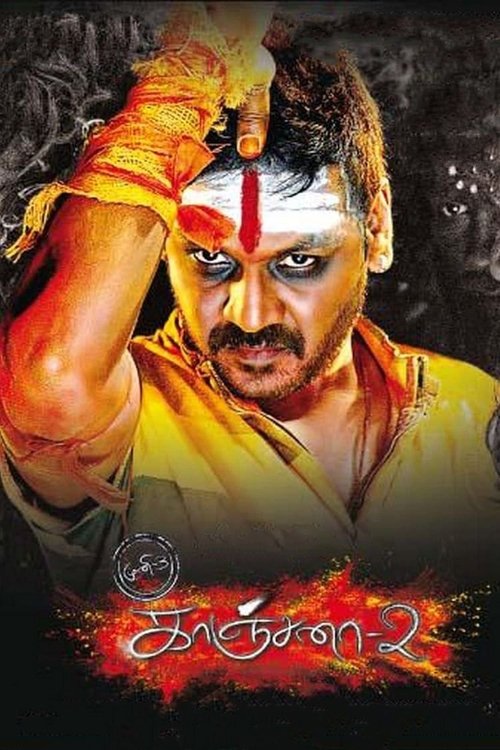
Kanchana 2
2015
No user ratings available yet
Representation score: 4.9 out of 10
Representation Score
Limited
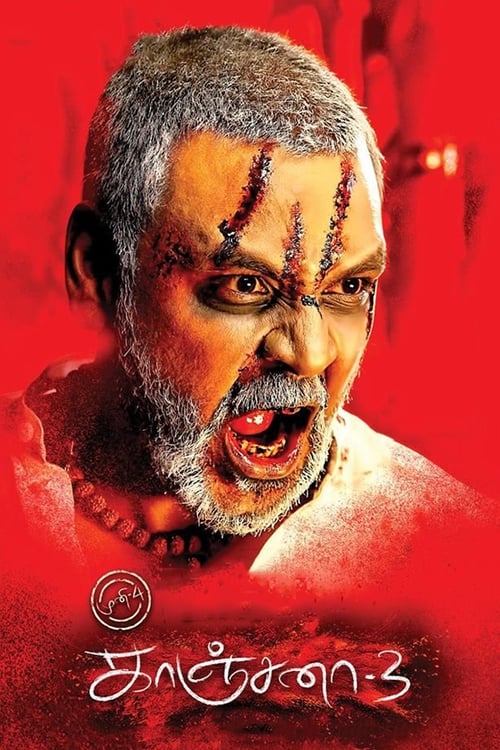
2019
Not RatedDirector
Raghava Lawrence
Runtime
174 minutes
Average Rating
No ratings yetNew Showbiz Analysis
Kanchana 3 follows the established conventions of South Indian horror-comedy, prioritizing genre clichés over social disruption. The film's structure relies on spiritual retribution and reincarnation, reinforcing traditional moral frameworks rather than challenging them. The narrative is deeply rooted in local cultural contexts and religious iconography. While this provides cultural depth, it maintains a traditionalist approach that adheres to existing social hierarchies and religious norms. Ultimately, the film functions as a culturally specific experience that avoids multi-layered or progressive themes. It focuses on supernatural conflict and conventional character roles rather than deconstructing systemic or institutional norms.
Category Breakdown
The film does not include any LGBTQ+ characters or situations involving non-straight relationships. It centers on traditional heterosexual relationships and family dynamics.
Gender roles are traditional, with the male protagonist being the main driver of action. Female characters have conventional roles that do not challenge patriarchal structures.
The cast is mainly composed of South Indians, providing strong representation of regional identities. It reflects local demographics without using actors from different racial backgrounds.
The narrative heavily relies on religious iconography and spiritual rituals. These elements reinforce traditional religious morality rather than promoting secularism or questioning institutional power.
There is no representation of neurodivergent or physical disabilities. The protagonist's fear is used primarily as a comedic device rather than a nuanced exploration of mental health issues.
Present on Screen
Limited or Absent
Official Synopsis
A young man who gets easily scared is possessed by a ghost that is seeking revenge.
2015
2018

2011
2013

2020
2007
2014
2017
No reviews yet. Be the first to share your thoughts on this movie!
Use the rating form above to leave a star rating and optional review.