
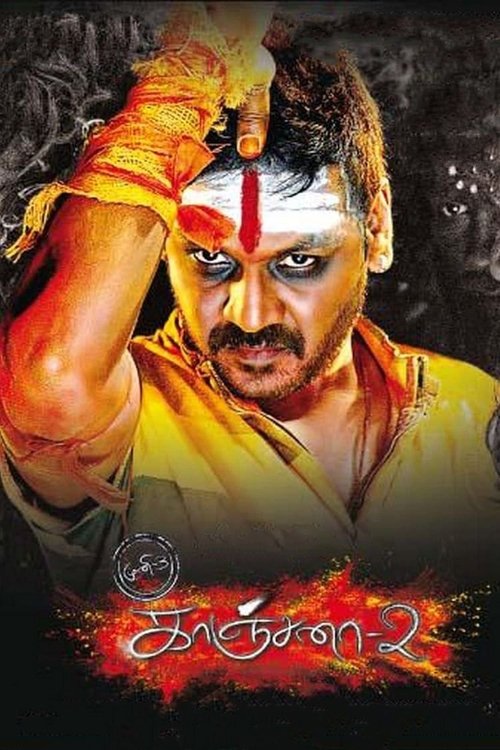
Kanchana
2011
No user ratings available yet
Representation score: 4.8 out of 10
Representation Score
Fair
2007
Not RatedDirector
Raghava Lawrence
Runtime
149 minutes
Average Rating
No ratings yetNew Showbiz Analysis
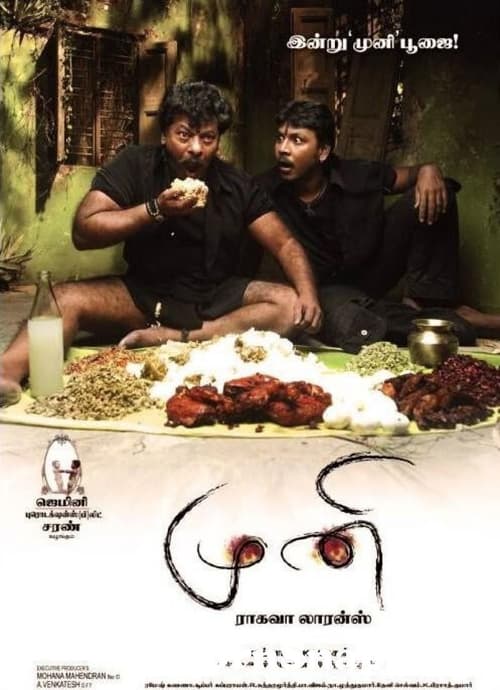
Muni is a genre-driven film that emphasizes local folklore and established social hierarchies. The narrative structure reinforces conventional family dynamics and relies on religious authority to restore order. While the film offers a unique regional perspective, it does not actively challenge social norms through diverse character development. Instead, it focuses on high-energy commercial formulas and supernatural elements.
Category Breakdown
The film focuses on a traditional family structure where everyone is assumed to be straight or cisgender. There are no characters with non-conforming gender identities or same-sex relationships.
Ganesh plays a central role in the story, but his personality changes due to possession. Female characters are primarily portrayed in domestic roles, providing the emotional foundation of the family.
The film features a predominantly South Asian cast, offering a localized perspective rooted in Tamil culture. It diverges from the Anglo-centric mainstream cinematic tradition.
The story relies on religious figures, such as a priest, to resolve supernatural conflicts. It emphasizes traditional communal healing and the importance of the family unit.
Supernatural possession is used as a metaphor for losing control over one’s actions. However, the protagonist's behavior changes are used for horror and comedy rather than exploring mental health issues.
Present on Screen
Limited or Absent
Official Synopsis
Ganesh moves into a new house with his mother, father and wife not knowing that it is the residence where Muni met his death and where his spirit now resides. Muni enter Ganesh's body and Ganesh starts behaving in a rude manner, his family couldn't understand why his behaviour is weird so they seek the help of a priest (Nasser).
2011
2008
2019
2007
2015
2018

2020
2016
No reviews yet. Be the first to share your thoughts on this movie!
Use the rating form above to leave a star rating and optional review.