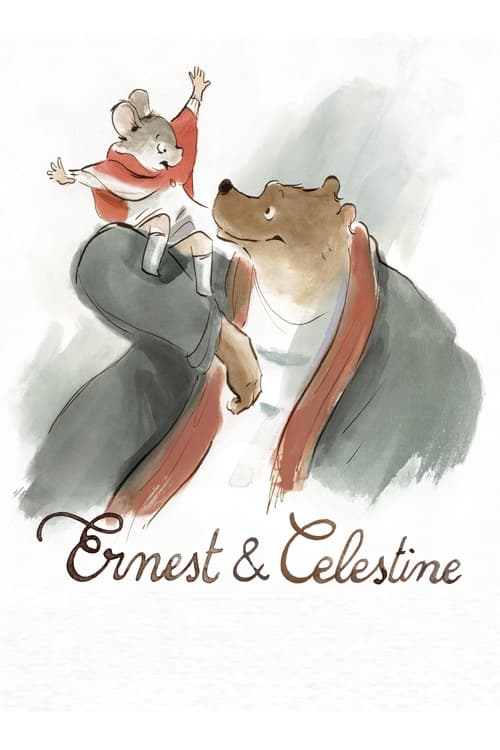
Ernest & Celestine
2012
No user ratings available yet
Representation score: 6.8 out of 10

Representation Score
Fair
2021
Director
Jan Bubeníček, Denisa Grimmová Abrhámová
Runtime
80 minutes
Average Rating
No ratings yetNew Showbiz Analysis
The film uses animal archetypes to explore themes of reconciliation. By placing natural enemies in a shared metaphysical space, it disrupts traditional predator-prey hierarchies. While the narrative provides a soft metaphor for social cohesion, it lacks explicit multi-layered complexity. The storytelling leans toward moral universality rather than direct systemic critique. Ultimately, the film avoids harmful clichés by emphasizing empathy and the transcendence of established boundaries, though it remains within the standard parameters of family-oriented animation.
Category Breakdown
The film focuses on a platonic bond between species rather than romantic arcs. There are no explicit queer characters or non-straight relationships.
The story centers on cross-species friendship rather than gendered power dynamics. It lacks specific arcs that challenge traditional masculine or feminine roles.
Diversity is expressed metaphorically through non-human species. The relationship between a mouse and a fox serves as a proxy for overcoming inherent biological and social divides.
The setting of an animal heaven suggests a universal spirituality. The film emphasizes finding common ground rather than engaging with specific religious or cultural critiques.
There is no information available regarding the portrayal of physical or neurodivergent disabilities in this work.
Present on Screen
Limited or Absent
Official Synopsis
Whizzy is a little mouse, Whitebelly is a fox. They are naturally mortal enemies. One day, after an unfortunate accident, both meet in animal heaven. Together, they will embark on a fantastic journey and discover friendship can overcome everything.
2012
2022
2013
2009
2022

2014
2001
2006
No reviews yet. Be the first to share your thoughts on this movie!
Use the rating form above to leave a star rating and optional review.