The Armchair Hacker
1985
No user ratings available yet
Representation score: 3.9 out of 10
Representation Score
Limited
1989
PGDirector
Percy Adlon
Runtime
94 minutes
Average Rating
No ratings yetNew Showbiz Analysis
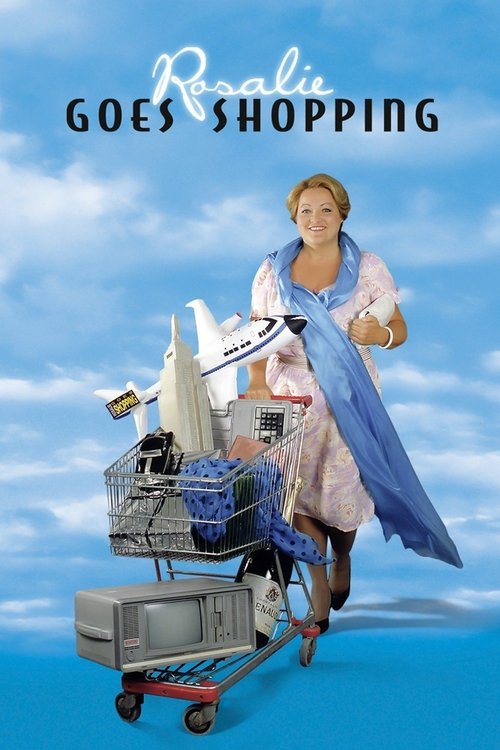
Rosalie Goes Shopping is a character study that prioritizes challenging traditional feminine archetypes over addressing multiple aspects of identity. The film's strength lies in its refusal to adhere to passive stereotypes, presenting a protagonist driven by obsessive, disruptive influence. However, the film is demographically narrow. It lacks representation for LGBTQ+ individuals, people with disabilities, and diverse racial or ethnic groups, focusing instead on a homogeneous white, middle-class demographic. Ultimately, the film offers a critique of consumerist identity and capitalist impulses, even as it remains rooted in a traditional Western social structure.
Category Breakdown
The film operates within a framework that assumes everyone is straight or cisgender. There are no depictions of queer identities, same-sex intimacy, or critiques of traditional gender pairings.
Rosalie challenges the passive housewife stereotype by acting as a chaotic force with significant influence. She disrupts domestic stability and questions the competence of the traditional male provider.
The setting is a homogeneous, white, middle-class American environment. The primary cast lacks racial or ethnic diversity, reflecting a narrow socioeconomic background.
This postmodern satire critiques the American Dream and the emptiness of consumerism. It portrays anti-social financial behaviors as a sympathetic response to economic pressures.
The narrative contains no portrayals of visible or invisible disabilities. Character struggles are centered on socioeconomic and psychological themes rather than disability.
Present on Screen
Limited or Absent
Official Synopsis
Rosalie loves to shop too much to let a little thing like no money stop her. When the local shopkeepers no longer take her bad checks or bad credit cards, she's finds herself out of ways to please her consumerist tendencies… until she discovers The Internet! Master shopper becomes master hacker, and Rosalie is back on top.
1985

1985
2010
1995
1974
2003
1973
2021
No reviews yet. Be the first to share your thoughts on this movie!
Use the rating form above to leave a star rating and optional review.