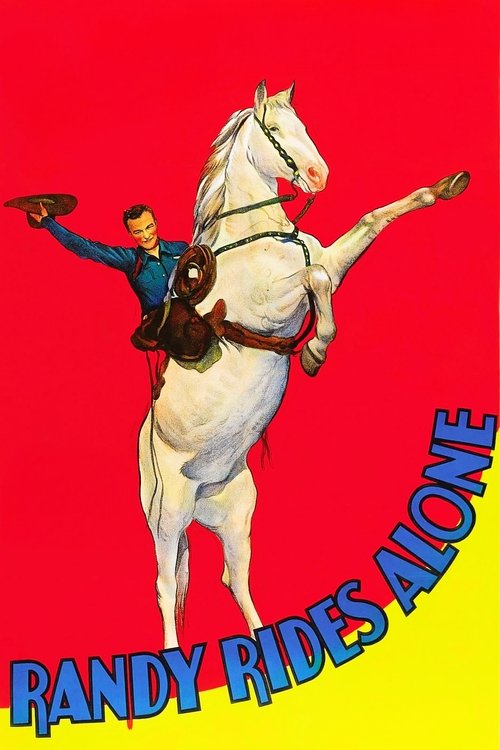
Randy Rides Alone
1934
No user ratings available yet
Diversity score: 2.3 out of 10
1934
NRDirector
Harry L. Fraser
Runtime
52 minutes
Average Rating
No ratings yetSynopsis
Chris Morrell, the guardian of half-Indian girl Nina, is helping her find her missing white father. so she can cash in on her late mother's oil lease. Outlaw Sam Black is after the girl and her father as well. Besides dealing with the Black gang, Morrell has to find another robber, Jim Moore, who switches clothes with him after he finds Chris unconscious from a fight with Sam Black. Along the way, he meets a lady who's the sister of Jim Moore, another bad hombre who's in cahoots with Jim Moore, and an old friend who takes in Nina and helps Chris locate Nina's father and fight off the various desperadoes
Overall Score
Limited
Category Breakdown
LGBTQ+ Representation
The film lacks any evidence of LGBTQ+ characters or non-heteronormative identities. The story follows traditional romantic and familial structures typical of 1930s Westerns.
Gender Representation
Action is primarily driven by male characters like Morrell and Black. While Nina is central to the plot, her agency is tied to her status as a ward rather than independent leadership.
Racial & Ethnic Diversity
The character Nina introduces ethnic hybridity as a 'half-Indian' girl. However, her identity serves as a plot device to facilitate a quest for a white father and property rights.
Religious & Cultural Diversity
The narrative reinforces conventional Western motifs like frontier justice and land rights. It focuses on individualist pursuits and the protection of family lineage within a frontier context.
Disability Representation
There are no visible or invisible disabilities depicted among the primary characters in this production.
Strengths
Areas for Improvement
AI Analysis
This 1934 Western adheres strictly to the genre tropes of its era. While it moves slightly beyond a purely white cast by including a character of mixed heritage, the narrative remains anchored in traditional power dynamics and property-driven conflicts. The film's structure prioritizes male-led action and heteronormative family goals. Even the central female character's importance is defined by her lineage and inheritance rather than personal autonomy. Ultimately, the film functions as a standard period piece that reinforces existing social hierarchies rather than challenging them through diverse perspectives.
1934
1938
1933
1932

1934
1933

1942
1935
1934
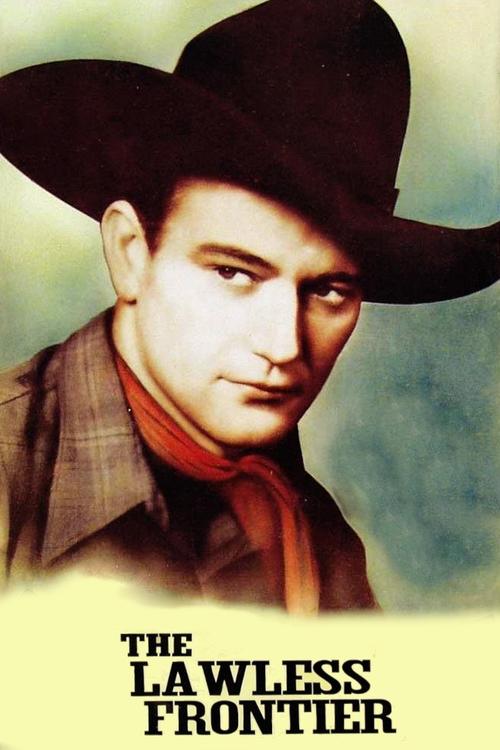
1934
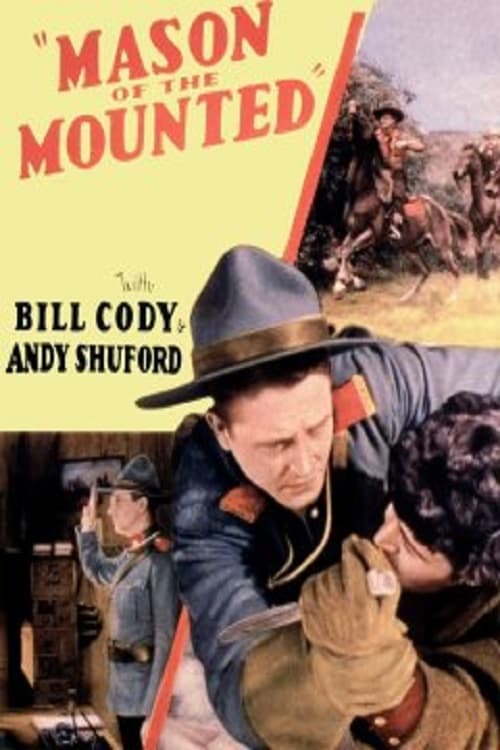
1932
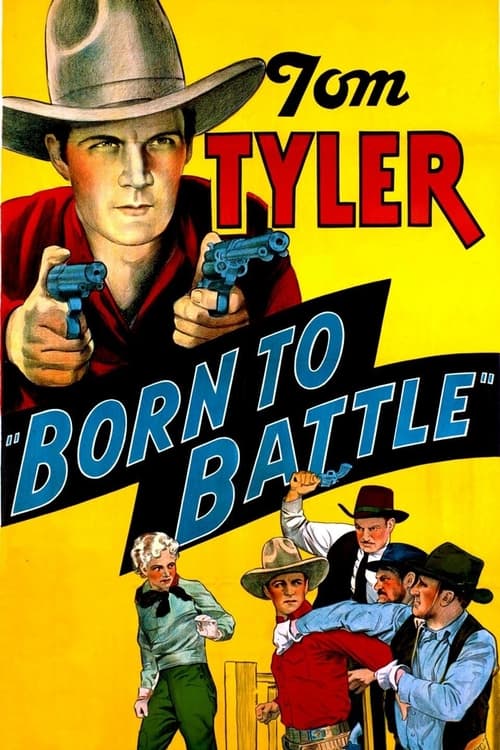
1935
No reviews yet. Be the first to share your thoughts on this movie!
Use the rating form above to leave a star rating and optional review.