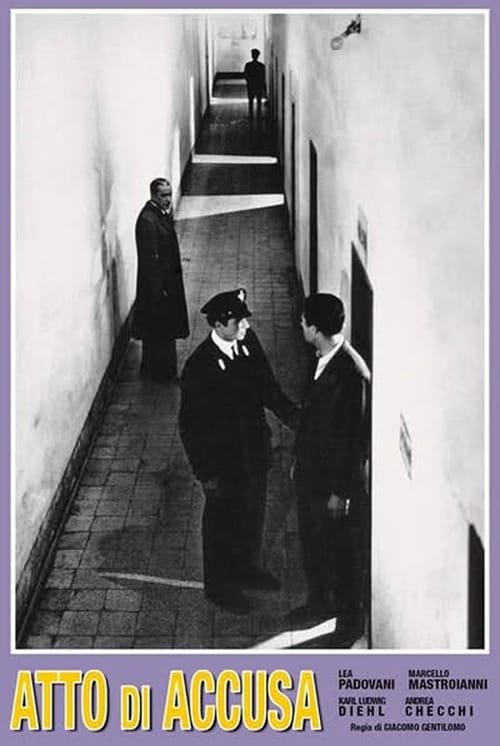
The Accusation
1950
No user ratings available yet
Diversity score: 2.2 out of 10

2000
Runtime
103 minutes
Average Rating
No ratings yetSynopsis
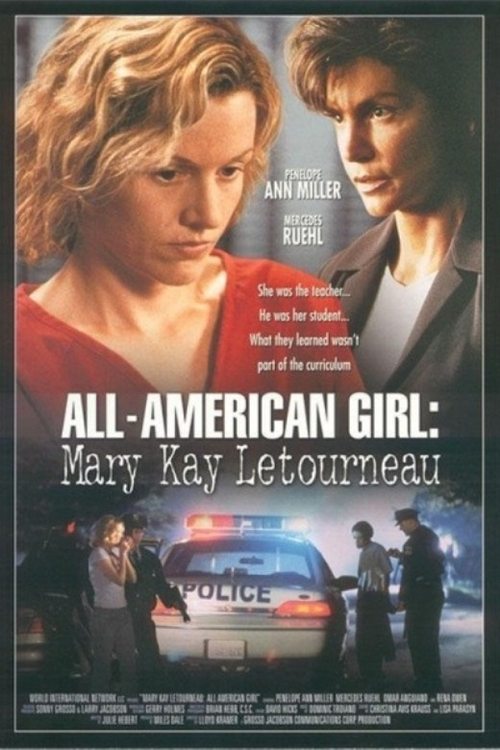
A college professor reluctantly hides an escaped female convict who tries to get him to help prove her innocent of a murder.
Overall Score
Limited
Category Breakdown
LGBTQ+ Representation
The film lacks any evidence of non-heteronormative identities or same-sex intimacy. The narrative focus remains on a binary conflict between a male professor and a female convict.
Gender Representation
The female lead drives the plot, yet her agency is tied to a male figure's help. This relies on traditional tropes where her redemption depends on external male validation.
Racial & Ethnic Diversity
There is no indication of a multi-ethnic or non-white cast within the narrative. Without explicit evidence of racial blending, the film lacks visible ethnic diversity.
Religious & Cultural Diversity
The story operates within a conventional Western legal framework. It focuses on institutional legitimacy and traditional notions of justice rather than critiquing systemic oppression.
Disability Representation
The film provides no evidence of neurodivergent characters or physical disabilities. There are no visible narratives centered on mental health or physical accessibility.
Strengths
Areas for Improvement
AI Analysis
Red Letters is a conventional crime drama that prioritizes genre-standard tension over social complexity. The plot relies on established tropes, such as the fugitive seeking help from a stable male figure, which reinforces traditional power dynamics. The film lacks intersectional depth, offering no representation for LGBTQ+ identities, diverse racial backgrounds, or disability narratives. It functions primarily as a character study within a standard Western judicial context. Ultimately, the work adheres to a predictable narrative architecture that avoids deconstructing systemic power or exploring nuanced identity politics.
1950
1955
2013

1943

1989

2003
1973
2006
2014

2019

2018
2000
No reviews yet. Be the first to share your thoughts on this movie!
Use the rating form above to leave a star rating and optional review.