
Crash
2005
No user ratings available yet
Representation score: 8.7 out of 10
Representation Score
Good
2006
RDirector
Alejandro G. Iñárritu
Runtime
143 minutes
Average Rating
No ratings yetNew Showbiz Analysis
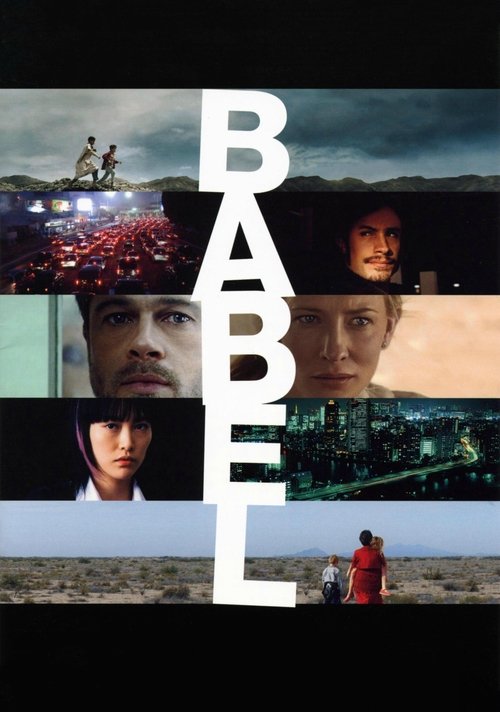
Babel is a sophisticated, multi-narrative critique of globalization that centers non-Western perspectives in Morocco, Mexico, and Japan. It grants significant roles to diverse characters, challenging Western-centric views. The film also explores how communication breakdowns and cultural friction lead to personal tragedies across various socioeconomic contexts. While Babel excels in its multi-layered approach to systemic vulnerabilities, it falls short in representing LGBTQ+ characters and non-straight-centered identities. The film's focus on traditional heterosexual dynamics limits its scope in addressing broader societal issues.
Category Breakdown
The film does not include any LGBTQ+ characters or explore non-straight relationships. It focuses solely on heterosexual relationships and traditional family structures.
Gender roles are examined through the lens of emotional stress and domestic conflict. The film portrays both men and women as vulnerable to systemic issues, avoiding typical patriarchal stereotypes.
The story highlights Moroccan, Mexican, and Japanese perspectives to challenge Western dominance. Characters from these backgrounds play significant roles in the narrative, rather than being sidelined.
The film critiques Western privilege and the tension between local traditions and international authority. It uses cultural differences to highlight globalized tragedy.
A deaf teenager in Tokyo offers a meaningful portrayal of sensory disability. This character's experience of silence enhances the film's exploration of communication barriers and isolation.
Present on Screen
Limited or Absent
Official Synopsis
Tragedy strikes a married couple vacationing in the Moroccan desert, which jumpstarts an interlocking story involving four different families.
2005

2000
2000

1997

1999
2007
2006

2009
No reviews yet. Be the first to share your thoughts on this movie!
Use the rating form above to leave a star rating and optional review.