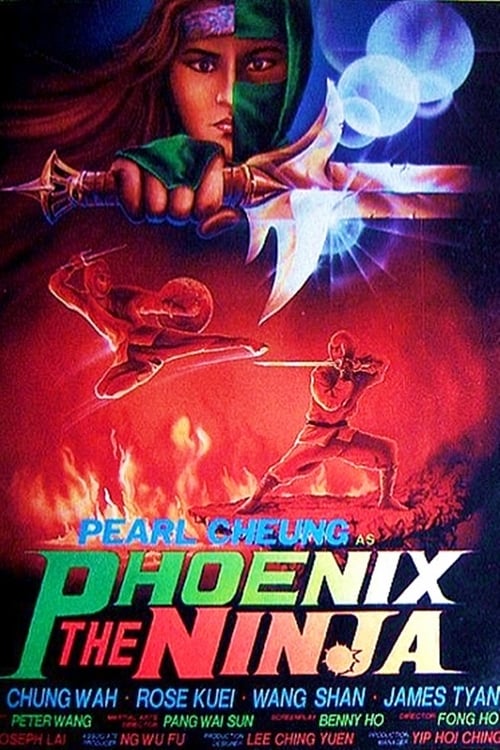
Phoenix the Ninja
1981
No user ratings available yet
Representation score: 4.8 out of 10

Representation Score
Limited
1978
Director
Chen Hung-Min
Runtime
89 minutes
Average Rating
No ratings yetNew Showbiz Analysis
Swift Shaolin Boxer is a traditional martial arts film that adheres to the established genre conventions of its time. The plot follows a hero's journey through trials to fulfill an imperial mandate, emphasizing individual competence and the restoration of order. While the film provides essential representation of East Asian talent in a global cinematic landscape, it does not attempt to challenge traditional gender hierarchies. The narrative structure remains firmly rooted in conventional social frameworks and storytelling norms. Ultimately, the film prioritizes high-octane choreography and mission-driven plots over the deconstruction of social hierarchies or systemic power dynamics.
Category Breakdown
The film adheres to the standard heterosexual and cisgender norms typical of 1978 action cinema. There are no representations of LGBTQ+ identities or same-sex relationships.
The narrative centers on Agent Ho Kun, a male protagonist who drives the plot through physical challenges. While Judy Lee is part of the cast, the male lead occupies the primary role in the story.
As a Hong Kong production, the film features a predominantly East Asian cast. This offers a break from Western-centric dominance, though it does not explicitly challenge ethnic stereotypes.
The story operates within traditional imperial settings and martial arts ethics. It reinforces traditional structures of authority and imperial order rather than providing institutional critiques.
There are no visible or invisible disabilities portrayed as central to the character arcs. The narrative focuses on the physical competence of the martial arts protagonist.
Present on Screen
Limited or Absent
Official Synopsis
Angelo Mao, Judy Lee and Barry Chen star in this tale of murder, intrigue and betrayal. When two separate imperial agents stay in the same room at different times are both offed, foul play is afoot. After passing his five challenges required to qualify for the mission, Agent Ho Kun is dispatched to the town where the murders took place, to stay in the aforementioned room and complete the mission bestowed upon his ill fated colleagues. Upon discovering that some of the local contacts are employed by the antagonist of this tale, things start to get complicated.
1981
1976

1983
1966
1978
1973
1977

1983
No reviews yet. Be the first to share your thoughts on this movie!
Use the rating form above to leave a star rating and optional review.