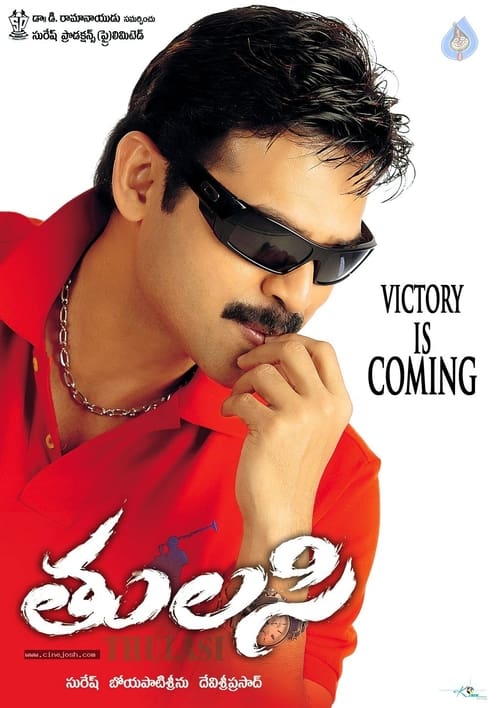
Thulasi
2007
No user ratings available yet
Diversity score: 2.3 out of 10
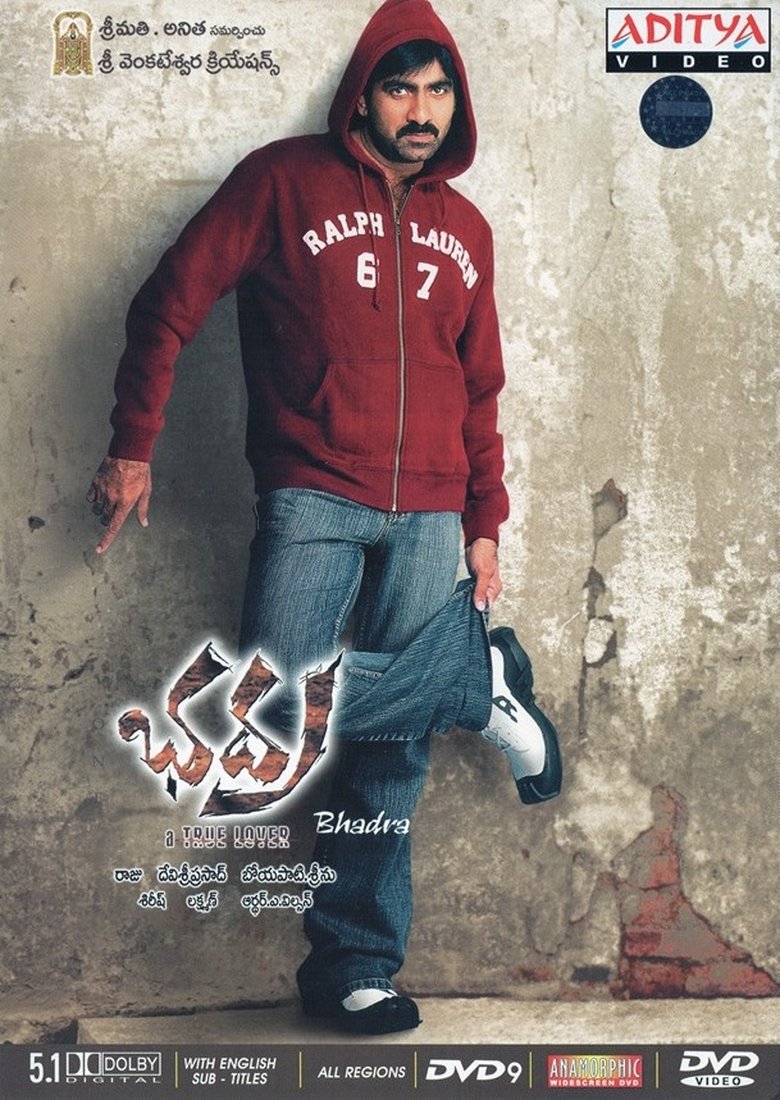
2005
Director
Boyapati Srinu
Runtime
150 minutes
Average Rating
No ratings yetSynopsis
Bhadra(Telugu: భద్ర) is a Telugu film released on 12 May 2005 ( Dubbed in malayalam as Brahmam ) and was directed by debutant director Boyapati Srinu. Ravi Teja and Meera Jasmine played the lead roles. The film was later remade into Tamil as Saravana with Silambarasan and Jyothikaand also remade into bengali as Josh with Jeet and Srabonti. Linda Arsenio danced in an item number.
Overall Score
Limited
Category Breakdown
LGBTQ+ Representation
The film operates within a strictly heteronormative framework. It focuses on traditional romantic pairings and lacks any exploration of queer identities or non-cisnormative characters.
Gender Representation
Narrative agency is heavily concentrated in the male protagonist. Female characters largely function as objects of affection or figures requiring protection, adhering to mid-2000s cinematic tropes.
Racial & Ethnic Diversity
The casting is consistent with regional South Indian cinema, featuring a predominantly local cast. It maintains cultural authenticity but does not actively engage in intentional ethnic blending.
Religious & Cultural Diversity
The story promotes traditional values of familial honor and vengeance. It celebrates vigilantism as a legitimate means of justice, reinforcing conventional social structures and patriarchal leadership.
Disability Representation
There are no prominent depictions of visible or invisible disabilities. Characters with physical or neurodivergent traits are not utilized as central drivers of the story.
Strengths
Areas for Improvement
AI Analysis
Bhadra is a quintessential commercial action film that prioritizes hyper-masculine heroism and moral absolutism. The narrative is built around a traditional hero's journey, emphasizing physical prowess and the protection of domestic ideals. The film reinforces established social hierarchies rather than challenging them. By focusing on vigilantism and familial honor, the story upholds conventional patriarchal structures and traditional gender roles common to the genre. While the film maintains regional cultural authenticity, it offers almost no engagement with intersectional identities. It lacks representation for LGBTQ+ individuals and characters with disabilities, functioning as a culturally specific product rather than a tool for diverse representation.
2007
2012
2019
2014
2010
2005
2011
2008
2009
2008
2015
2020
No reviews yet. Be the first to share your thoughts on this movie!
Use the rating form above to leave a star rating and optional review.