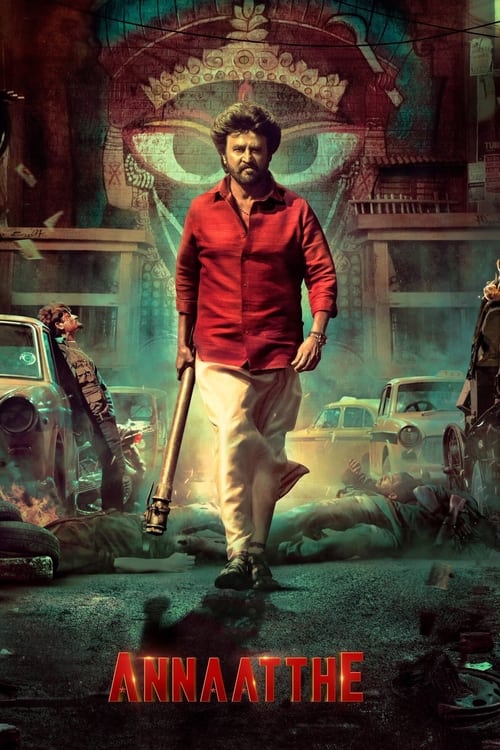
Annaatthe
2021
No user ratings available yet
Representation score: 3.1 out of 10

Representation Score
Minimal
2007
Director
Boyapati Srinu
Runtime
150 minutes
Average Rating
No ratings yetNew Showbiz Analysis
Thulasi is a quintessential commercial melodrama that prioritizes established social hierarchies. The narrative centers on masculine heroism and the preservation of a traditional family structure, offering little room for subverting conventional expectations of power. The film reinforces patriarchal norms through its reliance on stylized vigilantism and restorative violence. While it maintains regional cultural authenticity, it does so by upholding traditionalism rather than challenging systemic social structures. Ultimately, the work functions as a study of traditionalist archetypes. It lacks representation for LGBTQ+ identities and disability, focusing instead on a narrow, straight-centered view of domestic and social order.
Category Breakdown
The film follows traditional structures that assume everyone is straight and cisgender. There are no non-cisgender identities or same-sex relationships in the story.
The story relies on hyper-masculine clichés and traditional hierarchies. While the wife leaves her husband, showing she plays a significant role, the plot ultimately restores masculine authority through violence.
The cast reflects a specific South Indian regional context. It lacks intentional ethnic blending or the deconstruction of ethnic hierarchies.
The narrative emphasizes family honor and rural power dynamics. It focuses on preserving lineage and traditional social stability rather than critiquing systemic corruption.
There is no significant depiction of neurodivergence or physical disability. A child's illness serves as a plot device rather than a nuanced exploration of disability.
Present on Screen
Limited or Absent
Official Synopsis
Tired of her husband's crusade against factional feuds, Thulasi's wife leaves him. However, when their fatally ill son is abducted by factionists, he must resort to violence again.
2021
2019
2013
2016

2004
2017

2004

2013
No reviews yet. Be the first to share your thoughts on this movie!
Use the rating form above to leave a star rating and optional review.