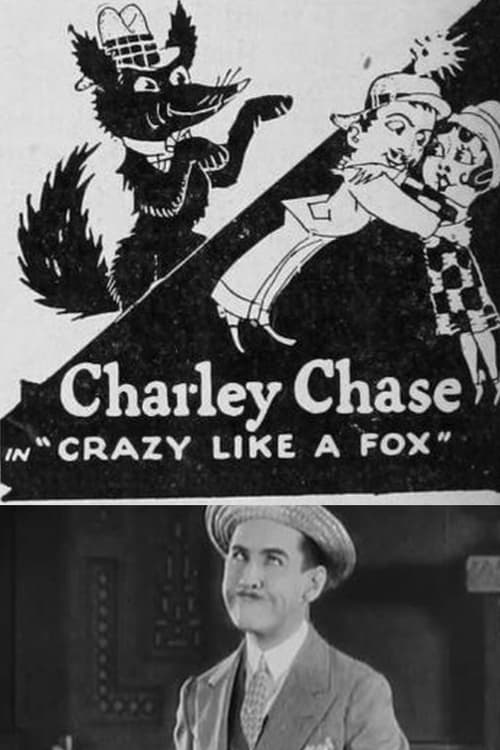
Crazy Like a Fox
1926
No user ratings available yet
Representation score: 2.2 out of 10
Representation Score
Limited
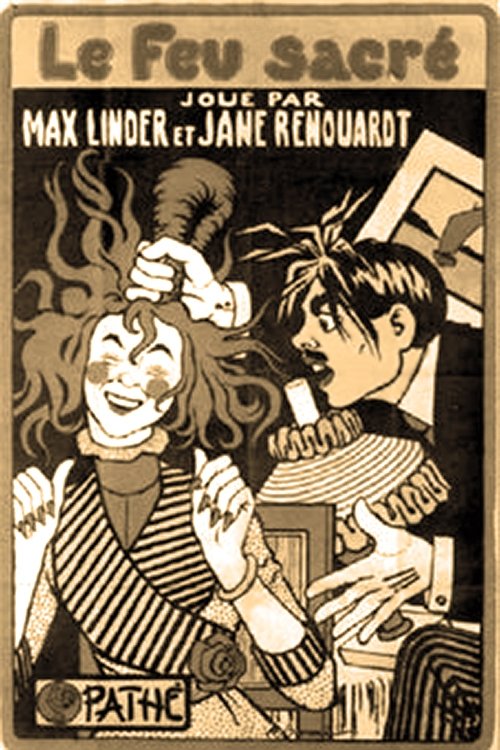
1911
Director
Max Linder, René Leprince
Runtime
13 minutes
Average Rating
No ratings yetNew Showbiz Analysis
Max and Jane Want to Do Theater is a period-specific situational comedy that centers on the conflict between individual passion and parental obligation. While it lacks modern multi-layered depth, it provides a subtle challenge to traditional gender roles through its protagonists' professional ambitions. The film's primary strength lies in the real power given to its leads, particularly Jane, who resists domestic expectations. However, the narrative ultimately settles into conventional romantic clichés, failing to challenge broader social or systemic structures. Overall, the film is a reflection of its era, characterized by a homogeneous cast and a reliance on traditional courtship resolutions.
Category Breakdown
The film focuses on traditional romantic tension between a male protagonist and a female counterpart. There is no evidence of non-binary identities or critiques of the assumption that everyone is straight or cisgender.
Max and Jane demonstrate a significant role in driving the story by prioritizing their passion for theater over parental marriage mandates. Jane specifically challenges expected submissive femininity by pursuing professional aspirations.
The narrative offers no evidence of a diverse cast or non-Anglo-Saxon characters. It likely reflects the homogeneous social structures of early 1910s French cinema.
The plot offers a mild critique of familial authority through the protagonists' performative resistance. However, the resolution returns to traditional romantic cohesion.
There is no evidence within the film's context to suggest the inclusion of characters with visible or invisible disabilities.
Present on Screen
Limited or Absent
Official Synopsis
Max is a stage struck youth, and because of a deep-seated desire to go on the stage, refuses to consent to a marriage his father has planned for him. The girl, whom Max has never met, is also stage struck, and entertains no wish of marrying him, though her mother is anxious to see her make the alliance. The parents finally manage to bring the young people together, and they, in turn, exert all their skill in an attempt to disgust each other. An accidental meeting between the two when they are off guard causes them to change their minds.
1926
1911
1913
1908
1915
1925
1914
1931
No reviews yet. Be the first to share your thoughts on this movie!
Use the rating form above to leave a star rating and optional review.