The Other Hell
1981
No user ratings available yet
Diversity score: 2.8 out of 10
1994
Director
Bruno Mattei
Runtime
90 minutes
Average Rating
No ratings yetSynopsis
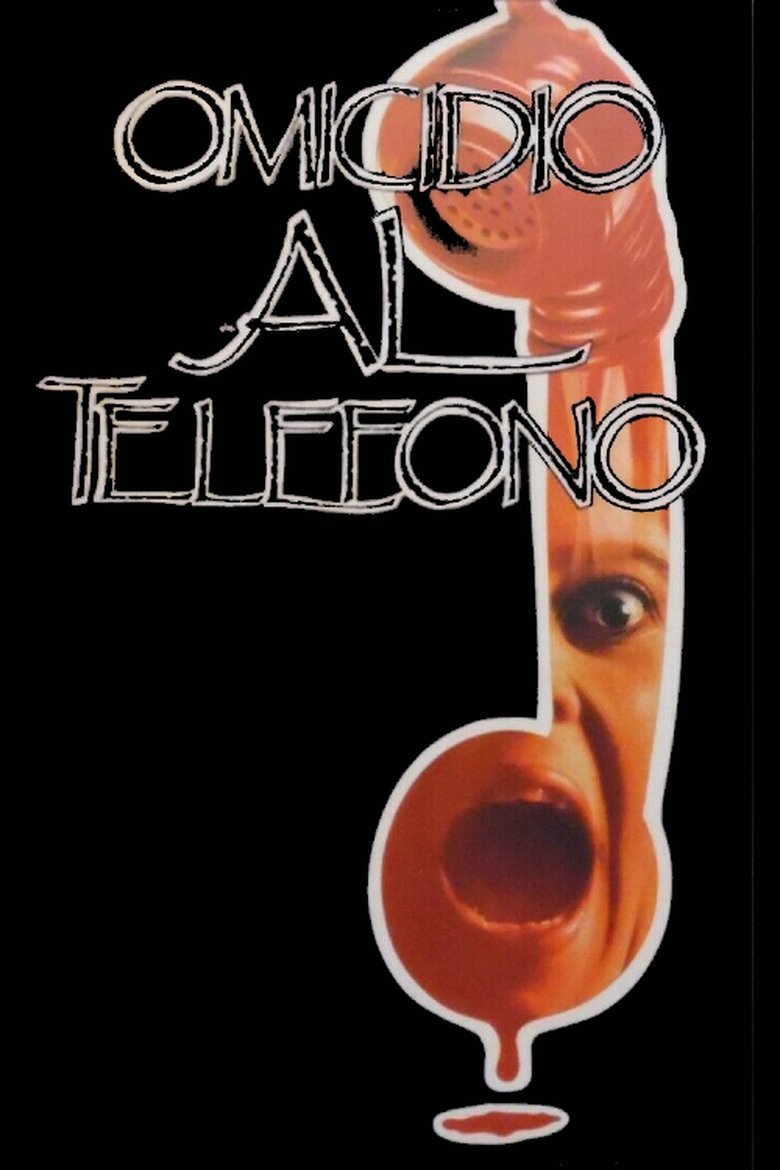
A homicidal maniac known as the 'tail', dressed in a clown mask, raping and killing a number of girls who work in erotic phone lines. The case has been assigned two policewomen, Lorraine and Consuelo, who begins to investigate, by phone sex, where they are to interview the victim's friends. After the second telecommunications operator, is murdered, his mind and Consuelo & Lorraine to take a job at the hot line.
Overall Score
Limited
Category Breakdown
LGBTQ+ Representation
The film lacks non-cisnormative identities or narratives that challenge heteronormativity. The plot relies on traditional thriller tropes centered on a predatory antagonist and female victimization.
Gender Representation
While women hold professional roles as policewomen, they are frequently placed in positions of vulnerability. The narrative reinforces regressive power dynamics through the depiction of sexualized violence.
Racial & Ethnic Diversity
The film lacks documented intersectional breadth or evidence of diverse casting. Within the context of 1990s Italian genre cinema, the cast appears largely homogeneous.
Religious & Cultural Diversity
The story follows a standard procedural framework focused on individual criminality. It lacks systemic critique or themes that deconstruct Western institutions and social norms.
Disability Representation
There is no evidence of characters with visible or invisible disabilities. The narrative focus remains strictly on the investigation of a homicide.
Strengths
Areas for Improvement
AI Analysis
Telephone Murder functions as a standard exploitation piece that prioritizes visceral genre tropes over social commentary. The narrative architecture relies heavily on the victimization of women to drive the thriller plot, which reinforces traditional and often regressive gendered power dynamics. While the film provides female characters with professional agency as policewomen, their roles ultimately lead them into the antagonist's sphere of sexualized violence. This focus on suspense and victimization comes at the expense of meaningful representation for marginalized groups. Ultimately, the film lacks intentionality regarding progressive representation. It adheres to conventional 1990s Italian genre conventions, offering little in the way of intersectional breadth or the subversion of established social hierarchies.
1981
1994

1993

2003
1977

1996
2009

2016
1992

1989
1987
1990
No reviews yet. Be the first to share your thoughts on this movie!
Use the rating form above to leave a star rating and optional review.