
The Spy Who Went Into the Cold
2013
No user ratings available yet
Representation score: 0.9 out of 10
No Poster Available
Representation Score
Minimal
2014
Director
Francis Whately
Runtime
120 minutes
Average Rating
No ratings yetNew Showbiz Analysis
This documentary prioritizes historical and ideological inquiry over demographic representation. It adheres strictly to the historical realities of the 20th-century British intelligence community, which lacked diverse identities. While the film lacks social diversity, it disrupts the 'spy thriller' genre by refusing to frame Philby as a simple hero or villain. Instead, it examines the breakdown of social trust. The narrative's strength lies in its critique of Western institutionalism and how individual ideological conviction can challenge systemic power structures.
Category Breakdown
The documentary focuses on geopolitical and intelligence-based motivations. There are no LGBTQ+ characters or narratives addressing non-straight identities.
The narrative centers on male-dominated spheres of mid-20th-century British intelligence. It lacks significant roles for women in driving the story and challenges traditional gender hierarchies.
The film depicts a largely homogeneous Anglo-Saxon environment consistent with the historical context. It does not utilize diverse character arcs to challenge era-specific demographic norms.
The film provides a platform for anti-capitalist perspectives by exploring Philby’s communist ideology. It critiques the perceived failures and corruption of the British establishment.
There is no discernible focus on physical or neurodivergent representation. No characters are portrayed through the lens of disability.
Present on Screen
Limited or Absent
Official Synopsis
Author Ben Macintyre explores the truth behind one of the most famous double agents in modern history - Harold Kim Philby. He argues that Philby has become a caricature of the gentleman spy, obscuring the fact that Philby was a ruthless killer, who betrayed everyone around him. The key to Philby's success and his survival, Macintyre explains, lay in his friendship with a man that history has largely forgotten - Nicholas Elliott. Elliott was Philby's colleague in MI6 who befriended him, defended him, and unwittingly supplied him with secrets until he discovered the truth. This is the remarkable tale of two friends and two spies, each working on opposite sides in the Cold War.
2013
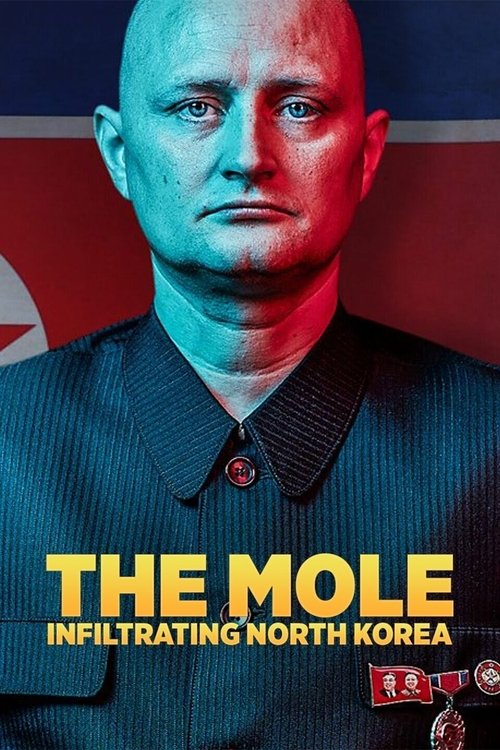
2020
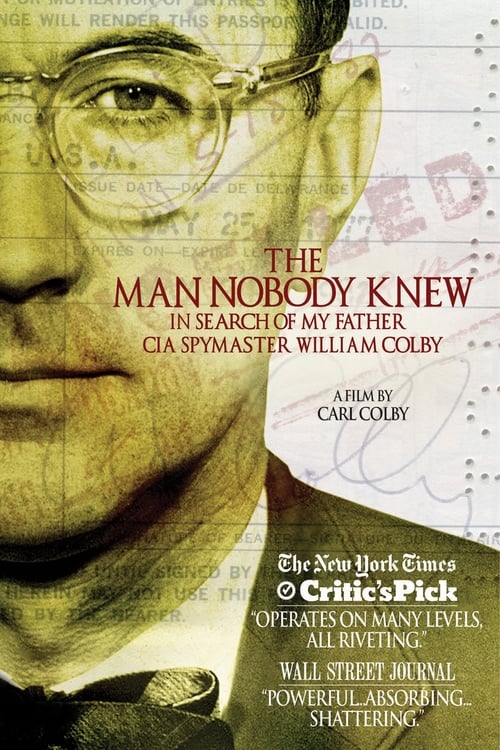
2011
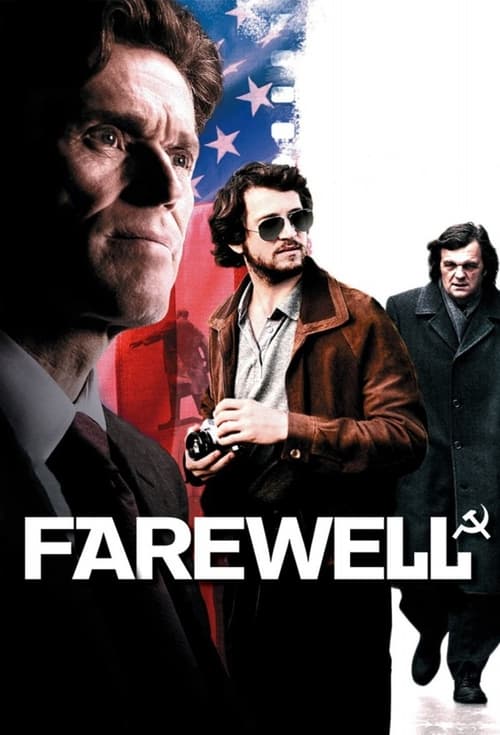
2009
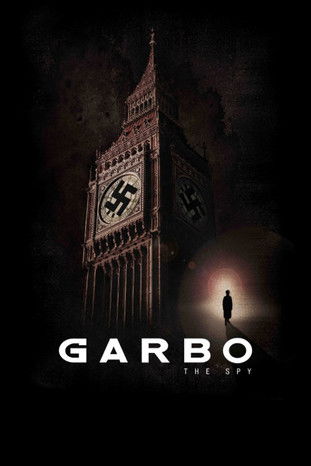
2009
2012
2017

2018
No reviews yet. Be the first to share your thoughts on this movie!
Use the rating form above to leave a star rating and optional review.