You are here:

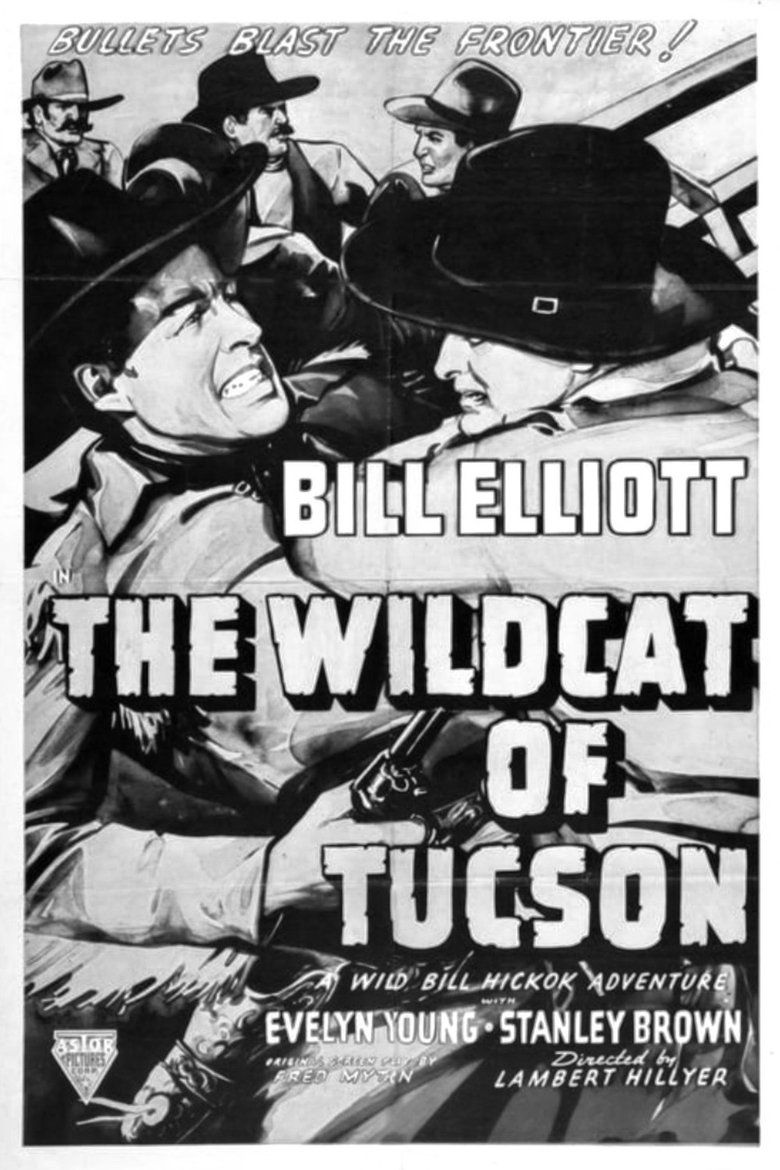
The Wildcat of Tucson

The Wildcat of Tucson

Representation Score

0.3/10

Minimal

1940

Approved

Director

Lambert Hillyer

Runtime

59 minutes

Average Rating

No ratings yet

New Showbiz Analysis

The Wildcat of Tucson is a quintessential 1940s B-Western that prioritizes genre clichés over social deconstruction. The narrative structure centers on masculine ability to act, focusing on the fraternal bond between Bill and Dave Hickok and their confrontation with Rance McKee. Since the film adheres to the established cinematic conventions of its era, it reinforces existing social and gender hierarchies. The plot emphasizes physical capability and the restoration of order through traditional heroic intervention. Ultimately, the film lacks the intentionality needed to challenge systemic norms, operating strictly within the conventional frameworks of early action cinema, offering little in the way of diverse representation.

Watch this, not that →

Category Breakdown

Does The Wildcat of Tucson have LGBTQ+ representation?

Minimal

The film does not include any visible LGBTQ+ characters or narratives, sticking to the gender and orientation norms of the 1940s.

How does The Wildcat of Tucson portray gender?

Limited

The story focuses on male-driven conflict and fraternal bonds, reinforcing traditional masculine leadership through themes of physical strength and individual combat.

How racially and ethnically diverse is The Wildcat of Tucson?

Minimal

The production follows the traditional racial hierarchies of early Hollywood, with no indication of a non-Anglo-Saxon majority cast.

How does The Wildcat of Tucson represent religion and culture?

Limited

The narrative supports the restoration of social stability through traditional heroic actions, following a conventional moral arc involving law and individual justice.

Does The Wildcat of Tucson include disability representation?

Minimal

The film lacks characters with visible or invisible disabilities, emphasizing physical vigor and the classic showdown cliché.

Present on Screen

  • The film offers a clear, traditional moral arc centered on justice and the restoration of social order.

Limited or Absent

  • The narrative lacks gender diversity, focusing almost exclusively on male-driven conflict and masculine leadership.
  • The film adheres to the homogeneous casting and racial hierarchies typical of 1940s Westerns.
  • There is no representation of LGBTQ+ identities or characters with disabilities.

Official Synopsis

When his brother Dave is put in jail, Bill Hickok returns to help him. Dave has been charged with attempted murder when the other man drew first. Judge Barlow put him there and Bill gets the Judge to confess. Bill learns that Rance McKee is behind all the trouble and he forces the Judge into the decisions he wants. So Bill heads out by himself to face McKee in the showdown.

How are these scores produced? →

Where to Watch

Rate this Movie

No rating selected
Use arrow keys to select a rating from 1 to 5 stars
Optional text review, maximum 2000 characters
Tip: Wrap spoilers with ||double pipes|| to hide them
0/2000 characters
You must be signed in to submit a rating

Reviews

No reviews yet. Be the first to share your thoughts on this movie!

Use the rating form above to leave a star rating and optional review.