
Abbi fede
2020
No user ratings available yet
Representation score: 7.4 out of 10

Representation Score
Fair
2019
Director
Paolo Geremei
Average Rating
No ratings yetNew Showbiz Analysis
Alleluja stands out as a sophisticated character study centered around a queer narrative within a traditional religious context. By placing Pietro's identity at the forefront, the film challenges the expected conflicts between faith and sexuality, offering a nuanced exploration of individual navigation through institutional rigidity. The film excels in its emotional depth and its ability to dismantle rigid social roles, replacing traditional masculine archetypes with more fluid, expressive portrayals. However, it remains culturally narrow, focusing primarily on a specific local demographic and lacking broader ethnic diversity.
Category Breakdown
The film focuses on Pietro's coming-of-age journey, making his queer identity a core emotional driver. It explores the complexities of intimacy and identity within a traditional setting, moving beyond simple visibility.
By highlighting emotional vulnerability over traditional masculinity, the film challenges typical male stereotypes. The narrative emphasizes the emotional connection between mother and son over conventional male leadership.
The cast is largely homogeneous, reflecting a specific Roman demographic. The story lacks significant racial or ethnic intersectionality, focusing instead on local cultural tensions.
The film examines the Catholic Church through a lens of moral relativism, showing how personal truths can coexist with or reshape religious doctrines. It explores the coexistence of personal beliefs and institutional dogmas.
There are no prominent depictions of visible or invisible disabilities that impact the plot or character development.
Present on Screen
Limited or Absent
2020

1999

2019
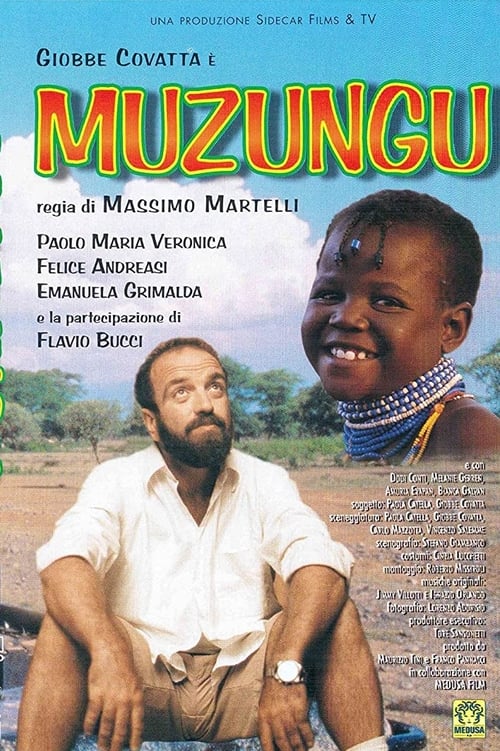
1999

2022

1995

2002

2016
No reviews yet. Be the first to share your thoughts on this movie!
Use the rating form above to leave a star rating and optional review.