
Alessandro Siani - Tienimi presente
2007
No user ratings available yet
Representation score: 2.5 out of 10
Representation Score
Limited
1976
Director
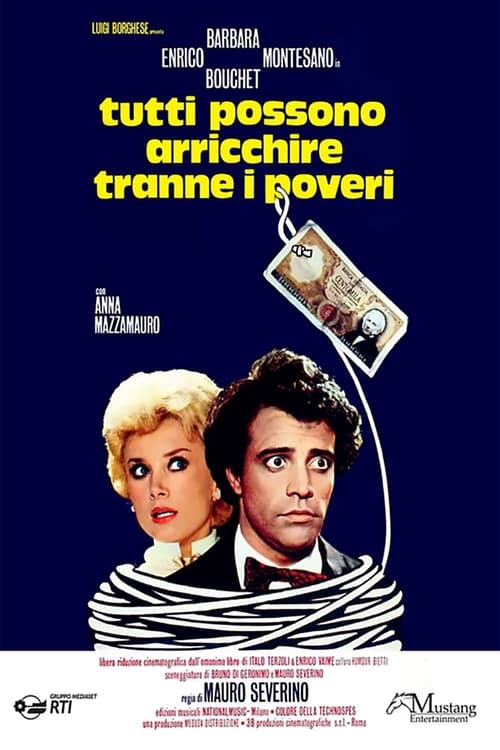
Mauro Severino
Average Rating
No ratings yetNew Showbiz Analysis
Mauro Severino’s work typically focuses on genre-driven narratives like crime thrillers rather than intentional storytelling that reflects multiple aspects of identity. This film operates within the traditional frameworks of 1970s Italian comedy. The production lacks the narrative structure needed to disrupt social hierarchies. It relies on the standard demographic and social structures of its era. While the film touches on economic disparity through its title, it does not provide complex or progressive representation.
Category Breakdown
The film does not include any LGBTQ+ identities or narratives. It follows the conventional social structures typical of 1970s family comedies.
Female leads like Barbara Bouchet provide visibility, but characters likely fit traditional roles. The film does not challenge gender hierarchies or portray masculinity as inept.
The cast reflects the demographic homogeneity common in mid-70s Italian productions. It lacks non-white or Anglo-Saxon majority casting to disrupt social hierarchies.
The title suggests themes of class struggle and economic disparity. However, the genre often maintains standard social norms rather than offering an anti-institutional critique.
There is no information available regarding the depiction of physical or neurodivergent characters.
Present on Screen
Limited or Absent
2007

2019

2021

2015

2005
1971

1990
1974
No reviews yet. Be the first to share your thoughts on this movie!
Use the rating form above to leave a star rating and optional review.