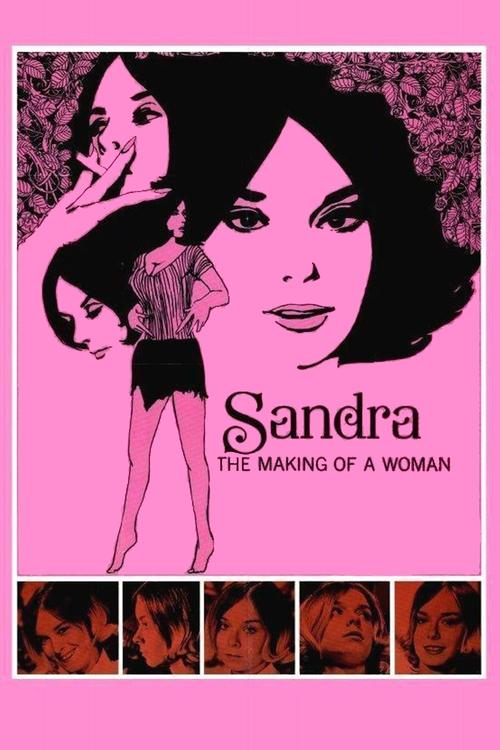
Sandra: The Making of a Woman
1970
No user ratings available yet
Representation score: 6.6 out of 10
No Poster Available
Representation Score
Minimal
1972
XDirector
Roberta Findlay
Average Rating
No ratings yetNew Showbiz Analysis
The film opens with a domestic rupture: Rosebud discovers her father in bed with a mistress, a scene that immediately frames the household as a site of male betrayal. This 1972 adult film, directed by Roberta Findlay, sells a vision of female vulnerability where the home is not a sanctuary but a trap. Rosebud’s subsequent life as a drifter, marked by incestuous fantasies and abuse, suggests that leaving the patriarchal structure does not grant freedom but merely exposes her to further exploitation. The camera lingers on her distress, treating her victimization as the natural consequence of a broken family unit. The sold meaning is that traditional family structures, when they fail, leave women with no viable alternative. Rosebud’s agency is minimal; she is defined by what happens to her—finding her father, drifting, being abused. The film’s argument is that female autonomy is a myth, and that the patriarchal order, even in its infidelity, remains the central force shaping female destiny. The ending, implied by the synopsis, offers no redemption or empowerment, only a continuation of suffering. This aligns with a traditional hierarchy where women are reactive subjects, their worth tied to their relationship with male figures. The film does not challenge these structures but reinforces them, presenting female victimization as an inevitable outcome of a world where men hold the power.
Category Breakdown
No queer markers appear. The narrative tracks heterosexual dynamics and familial betrayal exclusively. Identity remains absent from the available cast and synopsis.
Rosebud is the sole named protagonist, yet her arc is defined by male actions. Finding her father with a mistress and subsequent abuse frame female experience through victimization rather than autonomous agency.
C. Davis Smith and Fred J. Lincoln suggest non-white presence in a 1972 adult film. However, the synopsis provides no racial context for their roles, leaving their narrative function and on-screen representation undefined by the available evidence.
The film treats the nuclear family as the primary site of trauma. Rosebud’s departure is a reaction to paternal infidelity, reinforcing a worldview where domestic stability is the default and its collapse leads to female victimization rather than liberation.
No characters are identified as disabled. Impairment is not mentioned in the synopsis or cast details. The narrative does not engage with physical or neurodivergent experiences.
Present on Screen
Limited or Absent
Official Synopsis
Young Rosebud leaves home after finding her daddy in bed with his mistress. She becomes a drifter and has incestuous fantasies about her father and is eventually abused.
1970

1929
1965
1977

1975

1986

1970
1988
No reviews yet. Be the first to share your thoughts on this movie!
Use the rating form above to leave a star rating and optional review.