
We Are the Pirates of the Roads
2015
No user ratings available yet
Representation score: 3.3 out of 10
Representation Score
Limited
1996
Director
Patrick Volson
Runtime
95 minutes
Average Rating
No ratings yetNew Showbiz Analysis
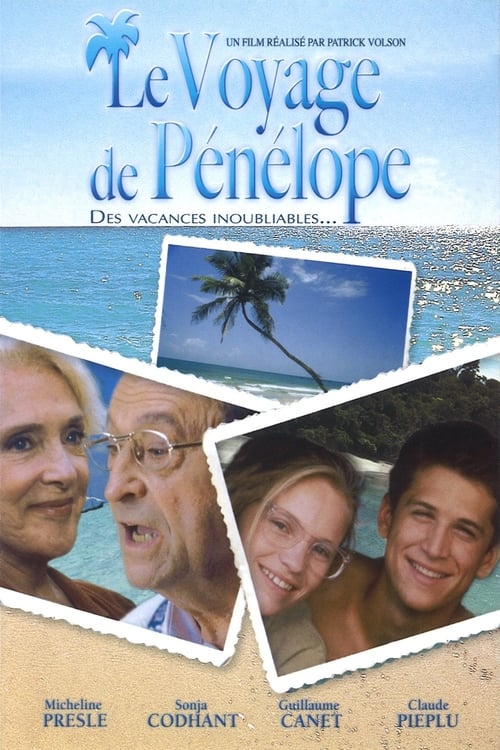
The Voyage of Penelope follows traditional comedic structures common in mid-90s French cinema, relying on well-worn formulas rather than progressive identity narratives. The plot centers on a scheme involving two young men and a woman, adhering to a conventional straight-centered framework. The film lacks diversity in terms of racial and ethnic representation, presenting a homogeneous social environment. It also does not feature any LGBTQ+ characters or explore non-assuming gender matches what was assigned at birth identities. Additionally, there is no depiction of physical or neurodivergent disabilities. While the inclusion of older characters disrupts the typical nuclear family dynamic, the narrative remains focused on consumerist themes and traditional comedic elements.
Category Breakdown
The story revolves around a heterosexual relationship between the main characters and Penelope. There are no representations of non-binary gender identities or same-sex relationships.
Penelope is portrayed as physically inadequate, serving mainly as a foil for the male characters' schemes. Despite holding a key plot device, her role is largely reactive.
The setting implies a homogeneous social environment typical of mid-90s French regional comedies. There is no indication of a diverse cast or varied racial backgrounds.
The film addresses youthful discontent and consumerist themes. Although it includes older characters that challenge the nuclear family norm, it does not delve into cultural critiques.
The synopsis does not mention any visible or invisible disabilities. Therefore, there is no information about the portrayal of neurodivergence or physical disabilities.
Present on Screen
Limited or Absent
Official Synopsis
Maxime and Paulo are two young men in their very early twenties. Maxime is spending his summer holidays with his parents in a camping resort, which he hates, and Paulo is working in the nearest cafeteria. They hope to win a cruise to Bora-Bora by collecting capsules from pop-soda bottles. They are missing only one capsule, which is unfortunately found by Penelope, who works in the local supermarket. Unfortunately, because Penelope is not very attractive. The two boys make Penelope believe that Paulo is going to go on the cruise with her, but Maxime decides to ride along with them, in Penelope's old car, to Marseille, where the ship is leaving from. Actually the two boys plan to steal Penelope's capsule, get rid of her, and go on the cruise together. But, on their way to Marseille, they are going to meet a couple of very strange elderly people, Hermine and Gaspard.
2015
1990
1996

2006

1992

2011

2003

1998
No reviews yet. Be the first to share your thoughts on this movie!
Use the rating form above to leave a star rating and optional review.