Laika
2017
No user ratings available yet
Representation score: 5.0 out of 10
Representation Score
Good
2013
Director
Georgiy Daneliya, Tatyana Ilyina
Runtime
100 minutes
Average Rating
No ratings yetNew Showbiz Analysis
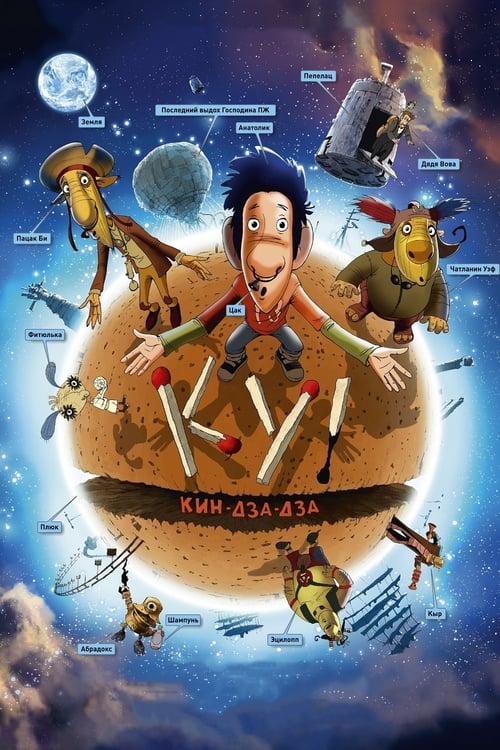
This animated adaptation of a Soviet classic uses the desert planet Plyuk to explore systemic inequality. By substituting traditional social markers with clothing colors and match values, the film creates a powerful allegory for real-world stratification. The narrative excels at using speculative fiction to critique institutionalized classism and the absurdity of social hierarchies. It examines how arbitrary rules govern human behavior rather than focusing solely on individual characters. While the film is strong in its social commentary, it lacks explicit representation of LGBTQ+ identities or disability. The focus remains primarily on critiquing caste-based societal structures.
Category Breakdown
The film features a displaced couple in a science fiction setting. Their relationship isn't defined by traditional domestic roles, moving away from conventional romantic setups.
The story revolves around a DJ and a cellist who navigate a hostile environment. It challenges traditional masculine roles by emphasizing survival over typical protector or provider duties.
The film employs a color-coded caste system as a metaphor for ethnic stratification. This approach allows the movie to critique tribalism and systemic discrimination through a speculative lens.
The film satirizes capitalism and classism by depicting a society where social status is determined by arbitrary markers and resource scarcity. It questions established norms through a critical lens.
There is no specific evidence regarding the portrayal of physical or neurodivergent disabilities in this production.
Present on Screen
Limited or Absent
Official Synopsis
Beginner DJ Shreds and world-renowned cellist Vladimir Chizhov meet on a noisy street in Moscow barefoot man. Clicking on the strange machine, the characters are moved to the desert planet Plyuk. A remake of the beloved animated film "Kin-dza-dza!" No less fascinating and funny than the original, the adventures of the Shred and Uncle Vova. In this world of sand inhabitants are divided into two categories - patsaks and chatlan, a simple match has incredible value, and the people are met and escorted by the color of his pants.
2017

1986
2002
1981
2012
2009
1985

2017
No reviews yet. Be the first to share your thoughts on this movie!
Use the rating form above to leave a star rating and optional review.