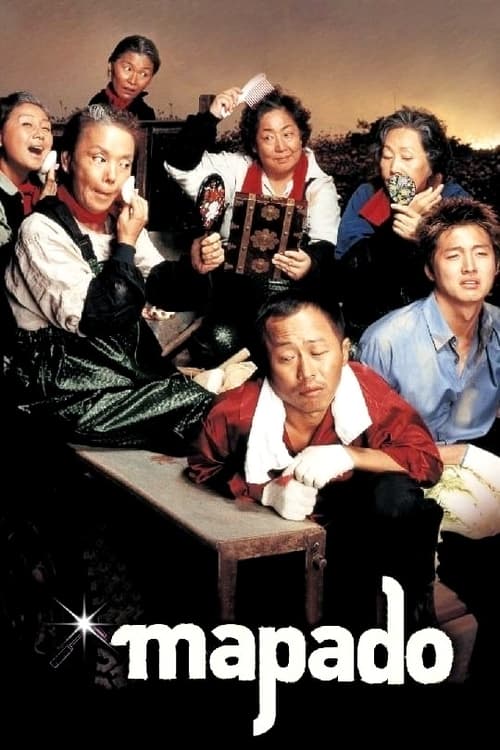
Mapado
2005
No user ratings available yet
Representation score: 6.0 out of 10

Representation Score
Limited
2004
Director
Koo Ja-hong
Runtime
97 minutes
Average Rating
No ratings yetNew Showbiz Analysis
The Last Wolf functions as a conventional comedy that relies on situational irony rather than identity-driven storytelling. The narrative centers on a detective's transition from urban disorder to rural tranquility, emphasizing genre clichés over social critique. Because the plot focuses on preserving order in a crime-free town, it does not explore the complexities of intersecting identities or challenge systemic power structures. The film adheres to a traditional narrative structure without disrupting established social hierarchies.
Category Breakdown
The film does not include any representations of LGBTQ+ identities or same-sex relationships. There are no characters that represent these communities.
The story focuses on a male detective going through a career change. It does not feature any strong female characters or challenge traditional male leadership roles.
Set in Seoul and rural South Korea, the cast appears ethnically uniform. The story does not include any multi-ethnic casting or diverse ethnic representation.
The plot examines the contrast between urban and rural lifestyles. It emphasizes maintaining a crime-free environment without questioning social or religious structures.
The film does not depict any physical disabilities, neurodivergence, or mental health conditions that influence character arcs or serve as significant narrative elements.
Present on Screen
Limited or Absent
Official Synopsis
A detective tired of bloody and cruel crimes in Seoul negotiates a transfer to a crime-free town in the country, where he lives a life of peace and bliss. But then his new police station is listed for closure due to the town's complete absence of crime in the last 20 years.
2005

2009

2003

2000

2017

2009
1991

2020
No reviews yet. Be the first to share your thoughts on this movie!
Use the rating form above to leave a star rating and optional review.