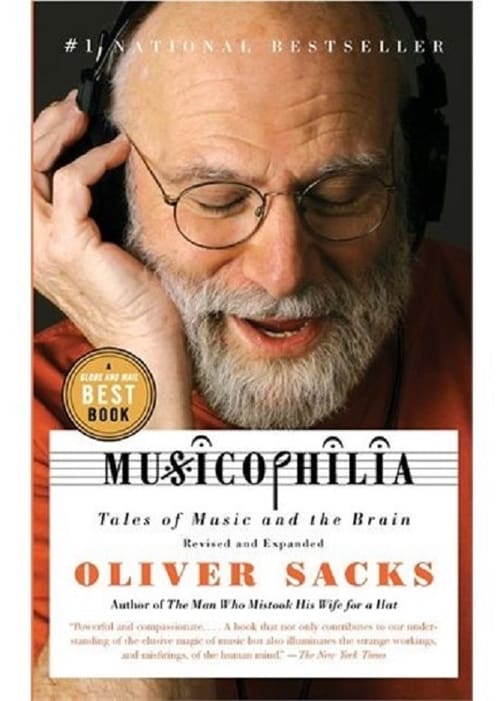
Oliver Sacks: Tales of Music and the Brain
2008
No user ratings available yet
Representation score: 7.7 out of 10
Representation Score
Excellent
2021
Director
Ric Burns
Runtime
114 minutes
Average Rating
No ratings yetNew Showbiz Analysis
Ric Burns delivers a sophisticated biographical portrait that challenges conventional medical narratives. By prioritizing neurodiversity and queer identity, the film frames these experiences as essential components of the human tapestry rather than mere outliers. The documentary excels by treating neurological differences with dignity, avoiding clichés of 'inspiration porn' in favor of intellectual ability to act. It successfully critiques historical assumptions about gender and institutional rigidity through Sacks's personal lens. However, the film is constrained by its biographical format. The focus on a singular male professional in a Western medical context limits the scope of racial and gender diversity presented to the viewer.
Category Breakdown
The film centers on Oliver Sacks's identity as a gay man, exploring how his orientation intersected with his professional life and the social pressures of his era. It highlights his struggles with homophobia.
As a character study of a male intellectual, the documentary lacks diverse gendered perspectives. It remains neutral, neither reinforcing nor challenging traditional domestic hierarchies through its singular focus.
The narrative remains largely homogeneous, reflecting the Western medical institutions and London-based history of the subject. It focuses on Sacks's personal milieu rather than a broad racial spectrum.
The film prioritizes humanistic experience over rigid dogmatic structures. It portrays the medical establishment as a system to be navigated rather than an infallible monolith, emphasizing subjective morality.
This is the film's strongest area, treating neurodivergence as a fundamental identity rather than a deficit. It gives real power to those with conditions like Tourette syndrome and amnesia.
Present on Screen
Limited or Absent
Official Synopsis
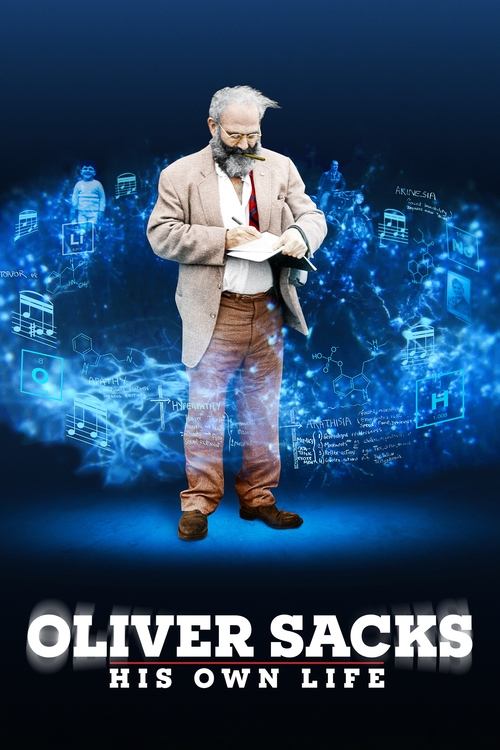
Oliver Sacks: His Own Life explores the life and work of the legendary neurologist and storyteller, as he shares intimate details of his battles with drug addiction, homophobia, and a medical establishment that accepted his work only decades after the fact. Sacks was a fearless explorer of unknown mental worlds who helped redefine our understanding of the brain and mind, the diversity of human experience, and our shared humanity.
2008
2018
2014

2016
2008
2016

2013

2022
No reviews yet. Be the first to share your thoughts on this movie!
Use the rating form above to leave a star rating and optional review.