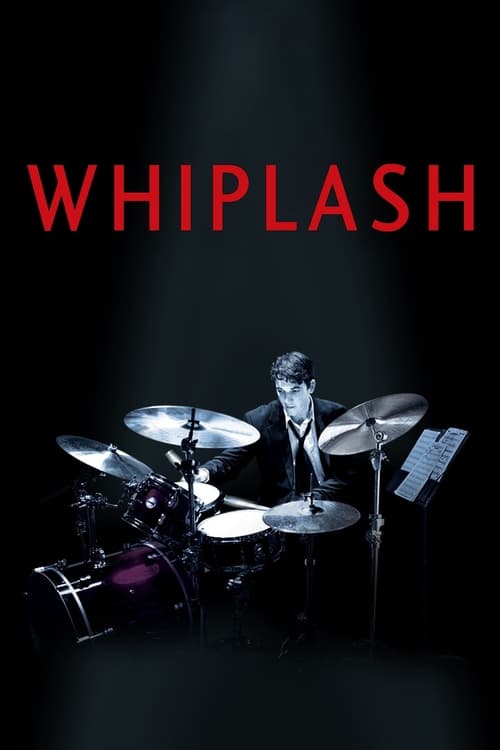
Whiplash
2014
No user ratings available yet
Representation score: 3.0 out of 10

Representation Score
Minimal
2013
TV-14Director
Damien Chazelle
Runtime
18 minutes
Average Rating
No ratings yetNew Showbiz Analysis
Whiplash is a focused, intense character study that emphasizes the psychological toll of pursuing excellence over broad demographic representation. The film centers on a singular, masculine quest for greatness, resulting in limited representation across various identity categories. While the film lacks racial and gender diversity, it excels in its thematic exploration of moral ambiguity. It avoids traditional morality, instead examining the systemic volatility of the conservatory and the erosion of social norms in the pursuit of art. Ultimately, the film's narrative structure is built around a homogeneous environment, making it a specialized study of obsession rather than a diverse social portrait.
Category Breakdown
The film focuses solely on straight relationships and does not include any LGBTQ+ characters or non-cisgender identities within the conservatory setting.
The story revolves around a male-dominated hierarchy where the competition between Andrew and Fletcher is central. Nicole, the female character, mainly serves as a contrast to Andrew’s obsession.
The prestigious jazz conservatory is shown as a predominantly white environment. The main conflict and the cast are centered on white characters rather than diverse representation.
The film explores moral relativism and situational ethics in a sophisticated manner. It breaks down the mentor/student relationship through psychological instability and artistic achievement.
There are no primary characters depicted with disabilities or neurodivergence. The story focuses on psychological endurance rather than specific disability identities.
Present on Screen
Limited or Absent
Official Synopsis
A ferocious, bullying music teacher teaches a dedicated student.
2014
2014
2015
2015
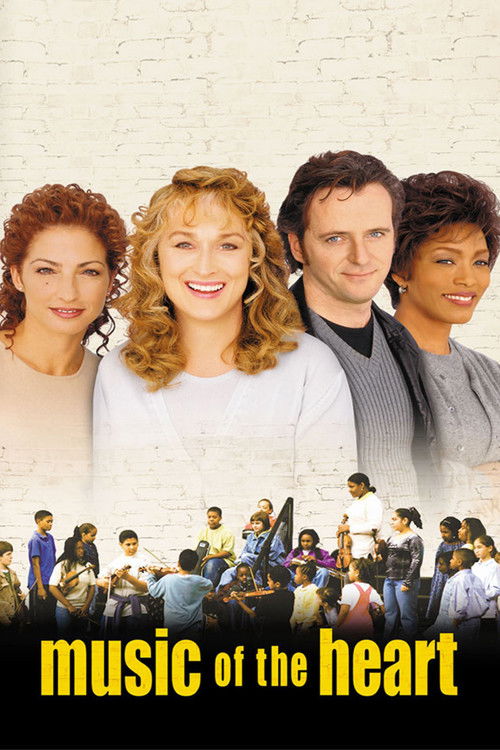
1999
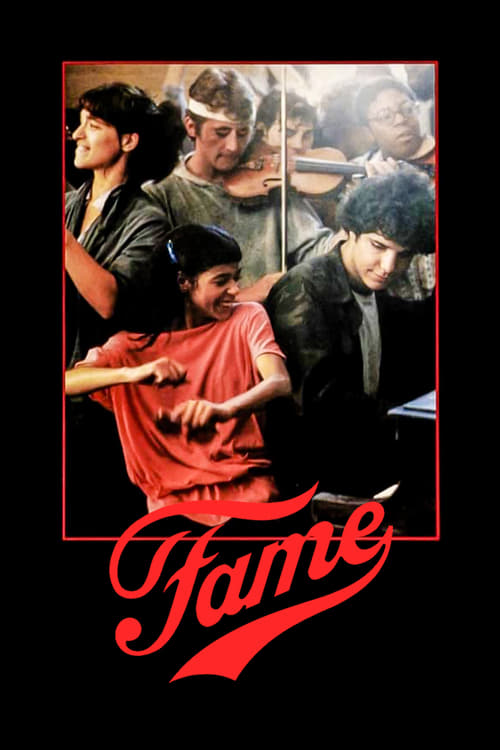
1980
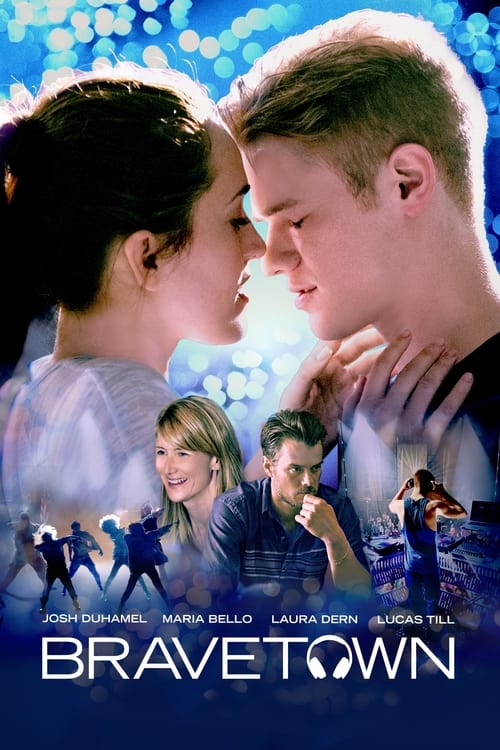
2015
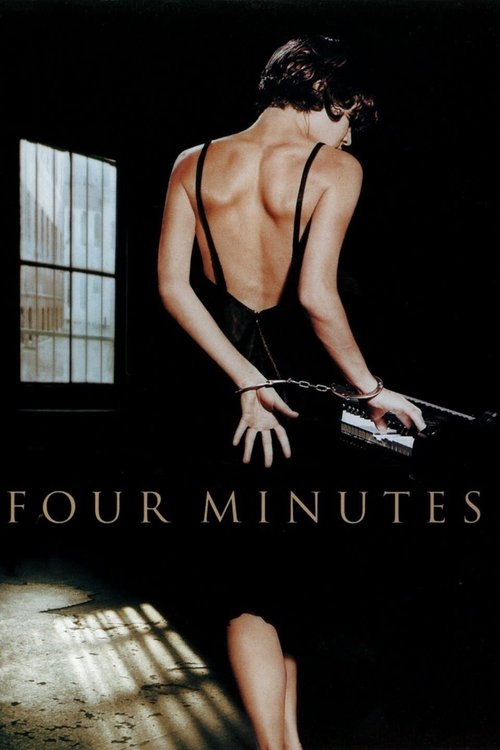
2006
No reviews yet. Be the first to share your thoughts on this movie!
Use the rating form above to leave a star rating and optional review.