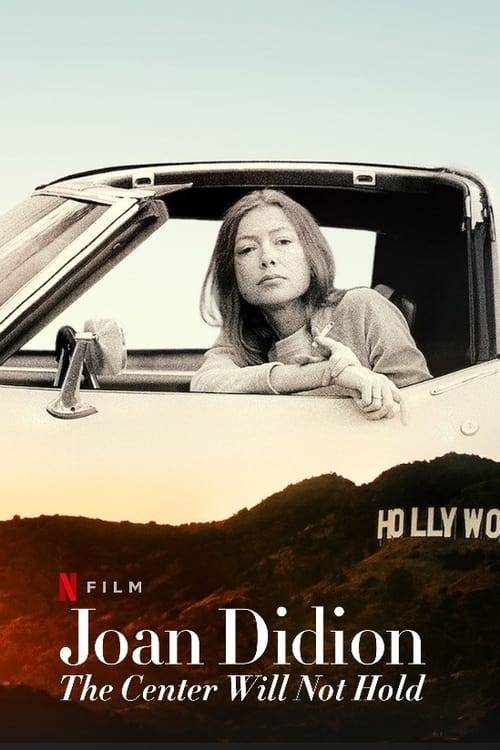
Joan Didion: The Center Will Not Hold
2017
No user ratings available yet
Diversity score: 6.2 out of 10

2017
Director
Tilda Swinton, Bartek Dziadosz, Christopher Roth, Colin MacCabe
Runtime
90 minutes
Average Rating
No ratings yetSynopsis
The Ways of Seeing writer is celebrated by Tilda Swinton and her fellow admirers in an unorthodox four-part documentary that visits him at his Alpine home
Overall Score
Good
Category Breakdown
LGBTQ+ Representation
The film maintains a neutral stance regarding LGBTQ+ identities. It focuses on the fluidity of perception and the mechanics of the gaze rather than centering specific non-cisnormative romantic narratives.
Gender Representation
The documentary provides a sophisticated critique of gendered power structures. It actively disrupts the traditional male gaze by examining how women have been historically positioned within the Western canon.
Racial & Ethnic Diversity
While the visual palette is predominantly white, the film's intellectual core uses post-colonialist critique to challenge Eurocentric perspectives. It examines how Western art history has functioned as a tool of hegemony.
Religious & Cultural Diversity
The film excels in its progressive intellectual framework. It prioritizes Marxist analysis and anti-capitalist critiques, examining how the commodification of images distorts human perception and socioeconomic structures.
Disability Representation
Disability is not a central narrative driver in this work. The film remains focused on intellectual and aesthetic discourse without actively centering neurodivergence or physical disability.
Strengths
Areas for Improvement
AI Analysis
The documentary functions as a high-level intellectual exercise that prioritizes critical theory over demographic variety. It succeeds by using John Berger’s legacy to deconstruct traditional Western hegemony and the mechanics of sight. While the film lacks broad representation in its casting, its narrative architecture is profoundly progressive. It moves beyond simple inclusion to offer deep systemic critiques of gender, class, and colonial power. Ultimately, the film's impact comes from its ability to translate complex socio-political frameworks into a cinematic experience, challenging the viewer's own habits of perception.
2017
2006

2009

2018
1983

1983
2019
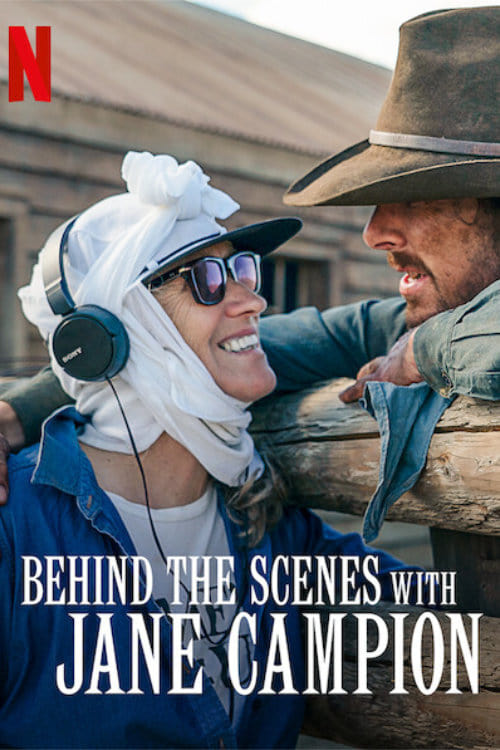
2022
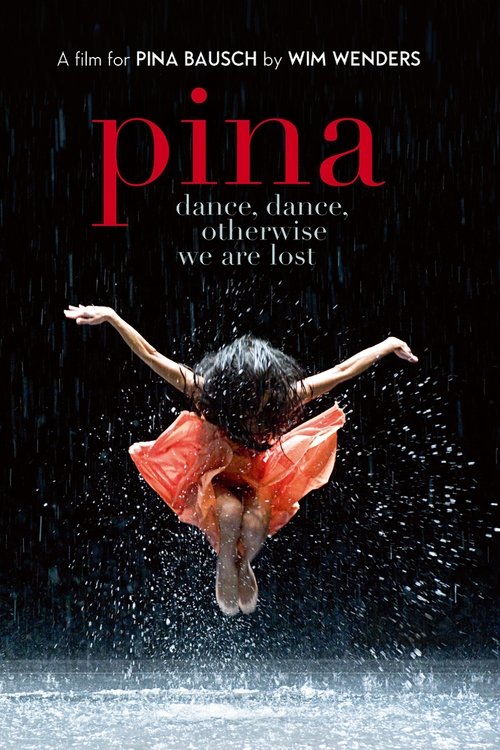
2011
2004

1998

2019
No reviews yet. Be the first to share your thoughts on this movie!
Use the rating form above to leave a star rating and optional review.