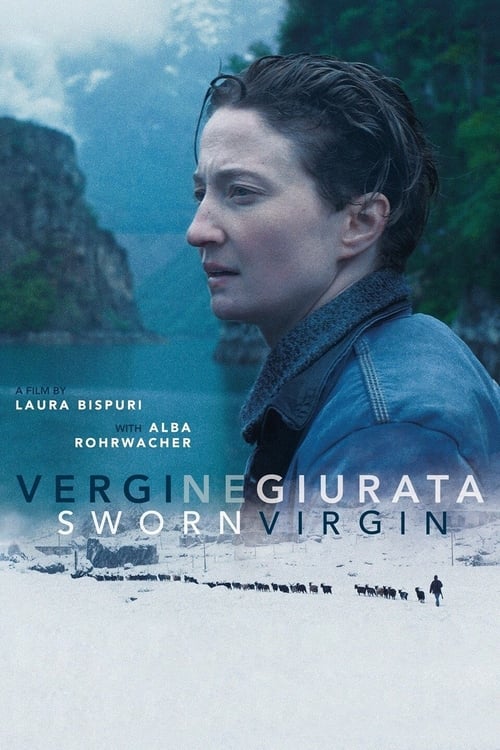
Sworn Virgin
2015
No user ratings available yet
Representation score: 6.2 out of 10
Representation Score
Good
1993
Director
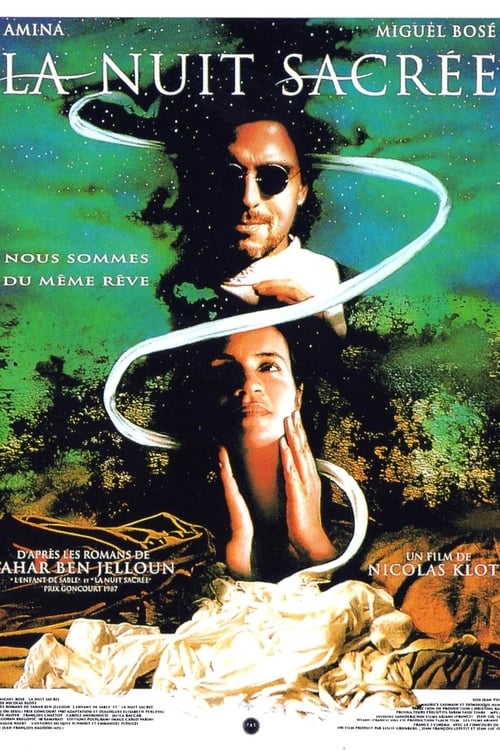
Nicolas Klotz
Runtime
110 minutes
Average Rating
No ratings yetNew Showbiz Analysis
La nuit sacrée is a sophisticated study of gender performance and systemic identity imposition. By centering a protagonist caught between biological reality and patriarchal decree, the film disrupts conventional social structures. It moves beyond simple biography to explore how names and clothing function as tools of confinement. The film excels at storytelling that places gender non-conformity within a specific Moroccan cultural framework. This approach allows for a nuanced critique of how religious and ancestral legacies shape identity. While the film provides deep psychological insight into identity reclamation, it lacks representation for physical or neurodivergent disabilities.
Category Breakdown
The film explores non-straight identities through the character of Ahmed/Zahra. The protagonist's journey involves rejecting the gender binary imposed by her father.
The film critiques traditional hierarchies by showing the transition from Ahmed to Zahra, reclaiming control against restrictive masculine roles.
Set in Morocco, the film offers a non-Western perspective. It avoids exoticism by focusing on the internal complexities of a Moroccan family structure.
The narrative deconstructs the patriarchal family and ancestral legacy. It critiques traditional structures that prioritize lineage over individual truth and personal identity.
There is no significant evidence regarding the portrayal of physical or neurodivergent disabilities.
Present on Screen
Limited or Absent
Official Synopsis
A rich Moroccan who belongs to the better circles has seven daughters. Whatever happens, the eighth offspring must be a son. It is a girl again, but she is given a male name, Ahmed and grows up like a boy. When Ahmed is 21, he is in an identity crisis: he wants to shave, leave a mustache and take his niece to wife. In the meantime, Ahmed's father is dying and wants to sail to heaven. He calls to Ahmed and calls her a female name Zahra and gives her freedom so that she can go out.
2015
1997
2011
2004

2002

2005

2017

2014
No reviews yet. Be the first to share your thoughts on this movie!
Use the rating form above to leave a star rating and optional review.