
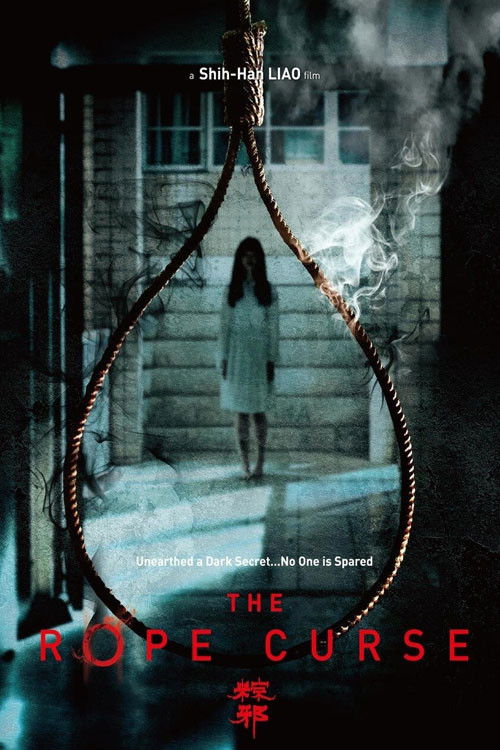
The Rope Curse 2
2020
No user ratings available yet
Representation score: 7.5 out of 10

Representation Score
Limited
2026
Director
Liao Shih-han
Average Rating
No ratings yetNew Showbiz Analysis
The film’s strongest diversity asset is its cross-cultural collaboration, weaving Taiwanese and Indonesian talent into a shared horror experience. Southeast Asian folklore is centered rather than exoticized, giving the story regional authenticity. Gender dynamics are present but uneven: Kuntilanak’s rage fuels the plot, yet women are largely framed as victims of possession, while a male protagonist drives the investigation. LGBTQ+ and disability representation are entirely absent, narrowing the film’s inclusivity despite its rich ethnic and cultural texture.
Category Breakdown
No LGBTQ+ characters or same-sex relationships appear in the narrative. The story concentrates on a transnational curse and family grief, leaving queer identities entirely absent from its world.
A female spirit, Kuntilanak, drives the supernatural violence through unresolved hatred. Women like Mila and Yu-Lan endure possession and soul loss, while a son leads the investigation.
The film blends Taiwanese and Indonesian performers, including Hsu An-chih, Vera Chen Hsueh-chen, Ferry Salim, and Rana Audi Marissa. Its cross-border narrative anchors the horror in specific Southeast Asian contexts.
Ancient Indonesian folklore and spiritual beliefs are treated as real, lethal forces. Exorcism rituals and transnational curses are portrayed as powerful and dangerous, not mocked or trivialized.
No characters with physical or mental disabilities appear in the documented plot. The narrative focuses exclusively on supernatural possession and the psychological terror of the curse.
Present on Screen
Limited or Absent
Official Synopsis
A forbidden exorcism is livestreamed in Indonesia, awakening the legendary female spirit Kuntilanak. What begins as an online spectacle quickly turns deadly. In Taiwan, Mila watches the ritual—and becomes the curse’s first victim. Soon, mysterious deaths and violent possessions follow. When Yulan collapses and is found to have lost part of her soul, it becomes clear that this is not an isolated incident, but a transnational curse. Seeking answers, Mila’s son returns her ashes to Indonesia, hoping to uncover the truth behind her death. Instead, he steps into a nightmare rooted in ancient folklore and unresolved hatred. As supernatural violence escalates, the group realizes that once Kuntilanak is summoned, the curse will not stop—until it claims everything in its path.
2020
2000

2021
2019
2018

2019

2023

2025
No reviews yet. Be the first to share your thoughts on this movie!
Use the rating form above to leave a star rating and optional review.