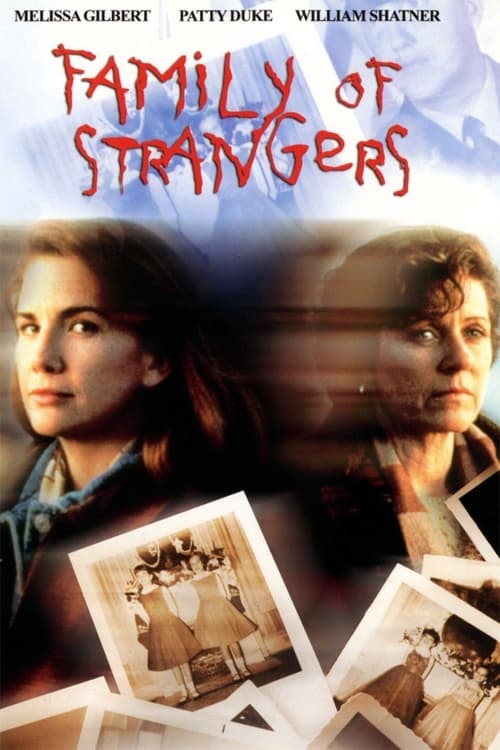
Family of Strangers
1993
No user ratings available yet
Diversity score: 4.8 out of 10
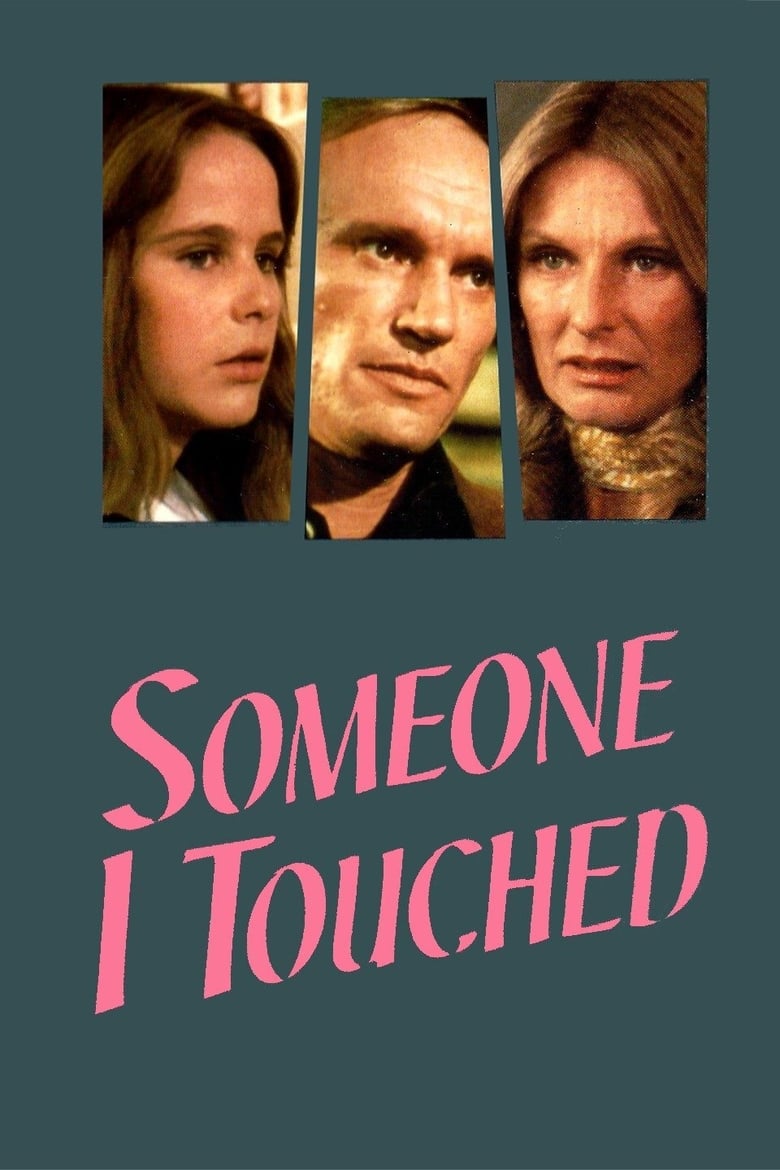
1975
Director
Lou Antonio
Runtime
74 minutes
Average Rating
No ratings yetSynopsis
A woman learns that her husband has been unfaithful and that he has acquired a venereal disease. Then she learns that, after years of trying, she is finally pregnant
Overall Score
Limited
Category Breakdown
LGBTQ+ Representation
The film focuses on heteronormative domestic structures like marriage and pregnancy. There is no evidence of queer narratives or non-cisnormative identities present.
Gender Representation
A female protagonist drives the emotional narrative as she navigates the fallout of her husband's infidelity. The story critiques traditional marital stability through her perspective.
Racial & Ethnic Diversity
The film appears to follow conventional 1970s casting patterns, prioritizing a homogeneous white ensemble. There is no indication of a diverse or non-Anglo-Saxon cast.
Religious & Cultural Diversity
The drama engages with the breakdown of traditional institutions like marriage. It moves away from idealized family tropes by addressing social taboos and moral complexity.
Disability Representation
The narrative introduces syphilis as a medical condition. It remains unclear if the illness is treated with agency or used merely as a stigmatizing plot device.
Strengths
Areas for Improvement
AI Analysis
Someone I Touched functions as a period-specific domestic melodrama that challenges the veneer of mid-century marital perfection. By addressing taboos like infidelity and venereal disease, it disrupts the idealized family tropes common in earlier television eras. However, the film lacks intersectional depth and systemic critique. It remains tethered to traditional heteronormative frameworks, focusing on individual domestic crises rather than broader social or identity-based liberation. The production follows the demographic patterns of its time, lacking diverse casting or a deconstruction of Western institutional power.
1993
2009
2007
1976
No reviews yet. Be the first to share your thoughts on this movie!
Use the rating form above to leave a star rating and optional review.