Heart of a Child
1994
No user ratings available yet
Representation score: 3.6 out of 10
Representation Score
Fair
2014
Director
Sean Hanish
Runtime
106 minutes
Average Rating
No ratings yetNew Showbiz Analysis
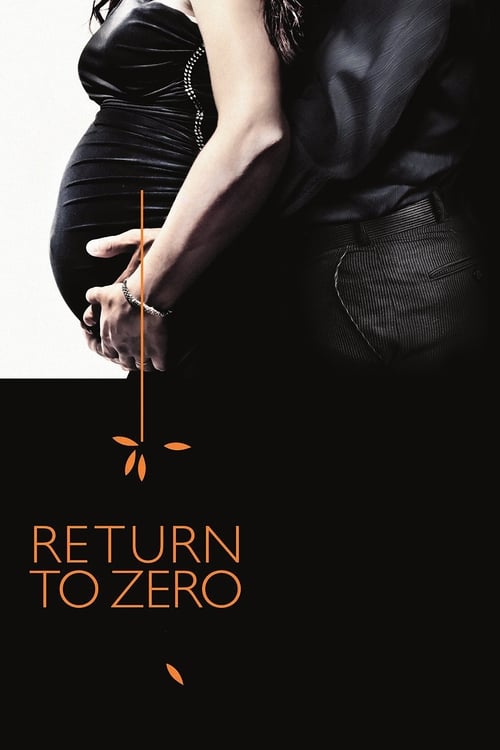
Return to Zero is a biographical drama that excels in its nuanced portrayal of disability. By focusing on the lived experience of neurodivergence, the film avoids sentimentalized clichés and instead highlights the dignity and challenges faced by the subject. However, the film remains limited by a lack of diverse representation. The social environment is largely homogeneous, and the narrative adheres to traditional Anglo-centric and conventions that assume everyone is straight, which restrict its broader cultural reach. Ultimately, the film succeeds as a character study of resilience, subverting the 'perfect family' archetype by showing how a medical crisis fundamentally restructures a domestic unit.
Category Breakdown
The film lacks representation of LGBTQ+ identities or non-cisgender perspectives.
The female protagonist plays a significant role in driving the story, navigating personal and systemic challenges.
The film depicts a homogeneous social environment in California, with a cast and family dynamics that do not challenge Anglo-centric norms.
The story operates within Western family values, avoiding idealized clichés by showing the raw realities of caregiving and medical crises.
This is the film's strongest area. It avoids sentimentality by focusing on the authentic, challenging realities of raising a child with Down syndrome.
Present on Screen
Limited or Absent
Official Synopsis
Based on the true story of a successful couple, Maggie and Aaron who are preparing for the arrival of their first child.
1994

2019
1998

2011

2014

2018

2001

2021
No reviews yet. Be the first to share your thoughts on this movie!
Use the rating form above to leave a star rating and optional review.