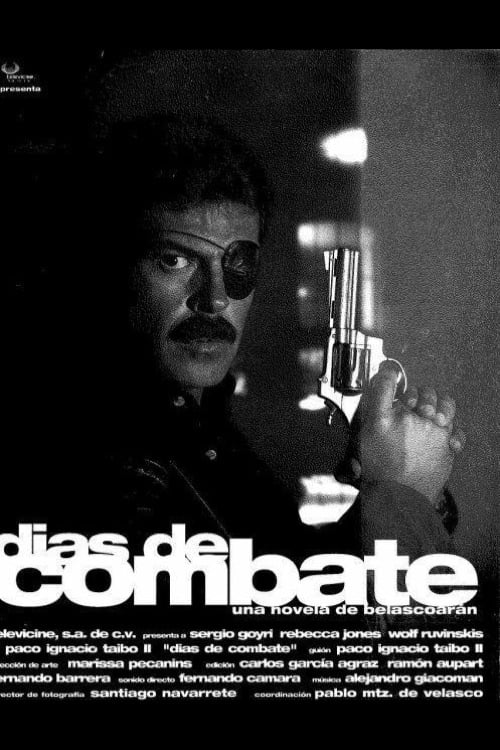
Días de combate
1994
No user ratings available yet
Representation score: 5.9 out of 10
Representation Score
Limited
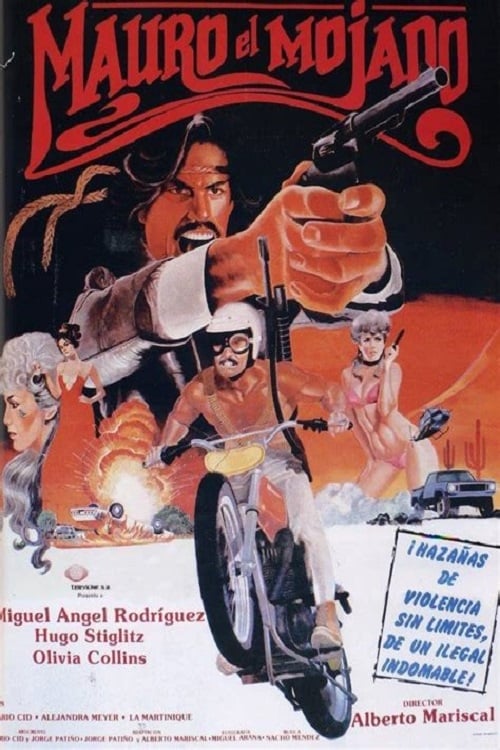
1986
TV-PGDirector
Alberto Mariscal
Runtime
85 minutes
Average Rating
No ratings yetNew Showbiz Analysis
Mauro el mojado is a regional genre film that provides a unique perspective on Mexican action cinema. By focusing on the 'mojado' archetype, the film highlights the experiences of those navigating systemic borders. However, the film adheres to the cinematic conventions of the 1980s, which may limit its exploration of multi-layered issues and social subversion. Ultimately, while the film offers a localized view of ethnic identity and regional struggle, it operates within the gender and social norms of its time.
Category Breakdown
The film does not include any characters or narratives that explore LGBTQ+ identities or relationships outside of heterosexual norms.
The film likely emphasizes traditional masculine roles and may not provide much opportunity for women to drive the plot.
This Mexican production centers on the experiences of individuals from non-Anglo-Saxon backgrounds, focusing on their navigation of ethnic identity and systemic barriers.
The story probably deals with themes of survival and resistance, highlighting the tension between personal freedom and state-imposed restrictions.
There is no information available to determine if characters with visible or invisible disabilities are present in the film.
Present on Screen
Limited or Absent
1994
1982
1978
1986
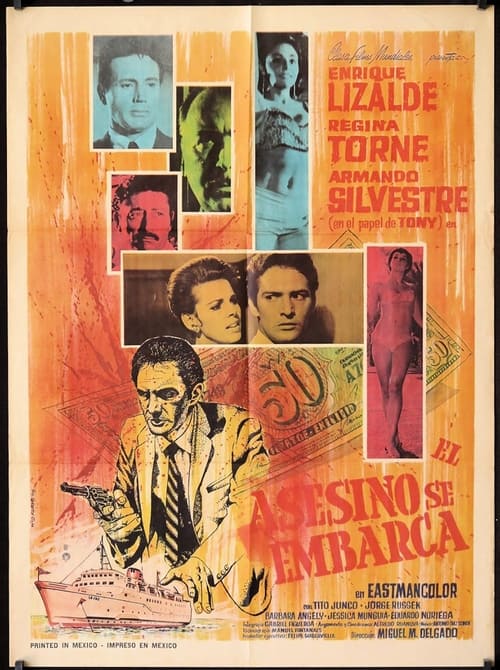
1967
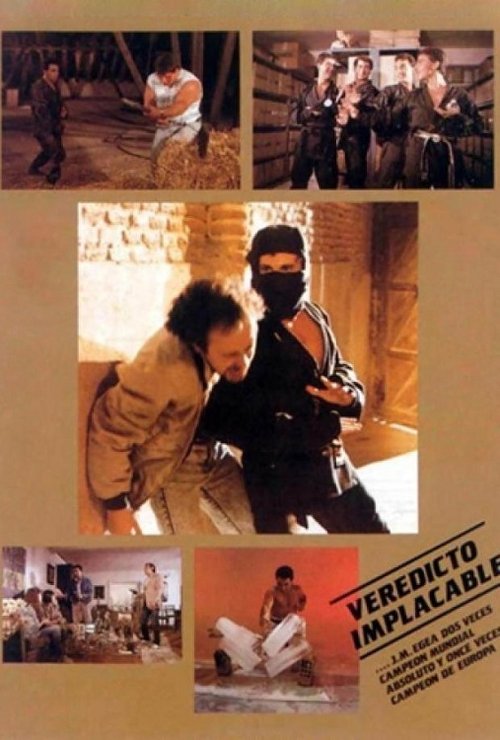
1987
1983
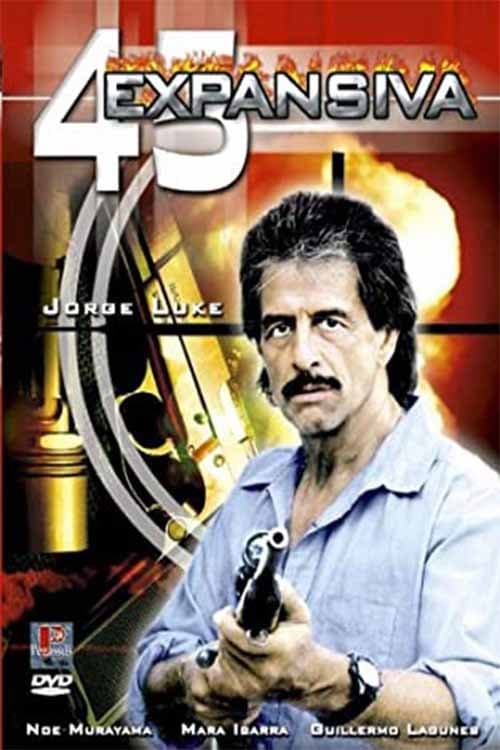
1996
No reviews yet. Be the first to share your thoughts on this movie!
Use the rating form above to leave a star rating and optional review.