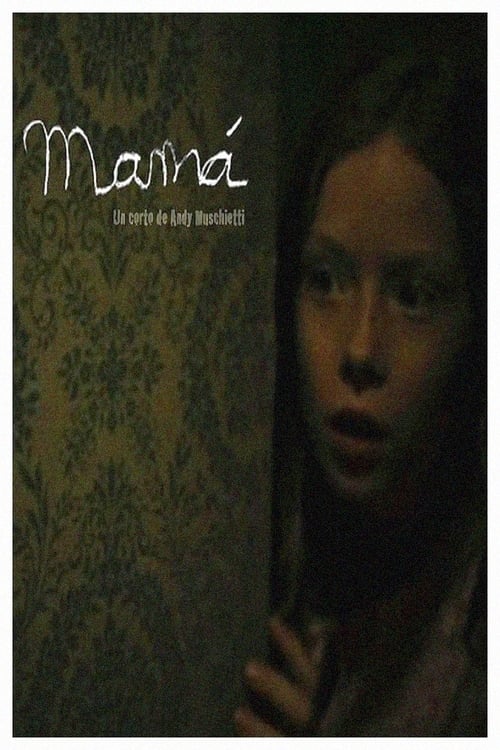
Mamá
2008
No user ratings available yet
Representation score: 3.7 out of 10

Representation Score
Fair
2018
RDirector
Gonzalo Calzada
Runtime
115 minutes
Average Rating
No ratings yetNew Showbiz Analysis
Luciferina uses the horror genre to question established social hierarchies and religious authority. By centering on female characters and their complex interpersonal bonds, the film moves away from traditional patriarchal narratives found in religious cinema. The film’s strength lies in its thematic deconstruction of morality. It explores the tension between institutional dogma and individual psychological crises, potentially framing the supernatural through a lens of systemic complexity. While the film offers a progressive look at women's ability to drive the story and institutional critique, it lacks clear evidence of racial diversity or specific disability representation.
Category Breakdown
The film highlights a strong sister-sister relationship, suggesting an exploration of intense female intimacy that might challenge traditional religious expectations of celibacy.
The story centers on female characters Natalia and Ángela, emphasizing their roles and interactions. It challenges typical male-led exorcism stories by focusing on female dynamics and spiritual struggles.
The production seems to be a localized Latin American work. However, there is little evidence of diverse racial or ethnic representation.
The narrative critiques religious institutions through themes of satanism and demonic possession. It explores the tension between institutional dogma and individual psychological crises.
There is no explicit mention of characters navigating physical or neurodivergent disabilities. The film does not provide verified evidence regarding disability representation.
Present on Screen
Limited or Absent
Official Synopsis
After receiving bad news, Natalia, a young novice, returns home, where her sister Ángela asks her to travel with her and her friends to a mysterious place.
2008
2013

2018

2017

2020
2023
2019
2018
No reviews yet. Be the first to share your thoughts on this movie!
Use the rating form above to leave a star rating and optional review.