
Ikaw Lang Ang Mahal
2022
No user ratings available yet
Representation score: 5.1 out of 10
Representation Score
Fair
2013
TV-PGDirector
Jerrold Tarog
Runtime
100 minutes
Average Rating
No ratings yetNew Showbiz Analysis
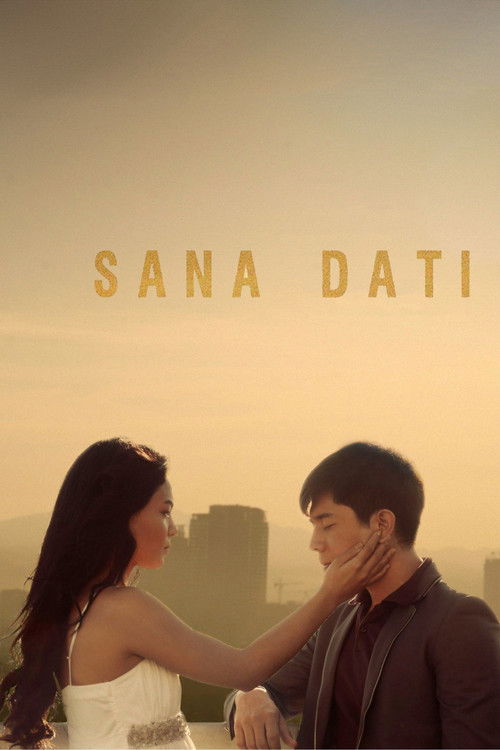
Sana Dati successfully provides a localized, non-Western perspective by centering Filipino identities and social dynamics. The film’s strength lies in its empowered female protagonist who drives her own emotional journey. However, the film remains confined within traditional romantic genre structures and straight-centered boundaries, lacking engagement with LGBTQ+ identities or disability-centric frameworks.
Category Breakdown
The film follows a traditional romantic musical drama format and does not include narratives about non-straight identities or challenge the assumption that everyone is straight or cisgender.
The story focuses on a female protagonist's emotional journey and self-discovery. She avoids being a passive character by driving her own story through heartbreak and choice.
The film features a predominantly Filipino cast and setting, emphasizing a Southeast Asian perspective. This shifts away from Western-centric norms by highlighting local cultural contexts and social dynamics.
Set in a contemporary urban Philippine environment, the film highlights individual emotional truth and personal autonomy. It steers clear of rigid adherence to traditional religious or institutional morality.
There is no depiction of physical or neurodivergent disabilities in the narrative.
Present on Screen
Limited or Absent
Official Synopsis
Andrea Gonzaga is about to marry a man she doesn’t love when a mysterious guest arrives and suddenly reminds her of the man she truly loves.
2022
2018

2015

2012

2012

2021

2001
2000
No reviews yet. Be the first to share your thoughts on this movie!
Use the rating form above to leave a star rating and optional review.