Patton Oswalt: Annihilation
2017
No user ratings available yet
Representation score: 3.0 out of 10
Representation Score
Good
2019
TV-MADirector
Michael Bonfiglio
Runtime
75 minutes
Average Rating
No ratings yetNew Showbiz Analysis
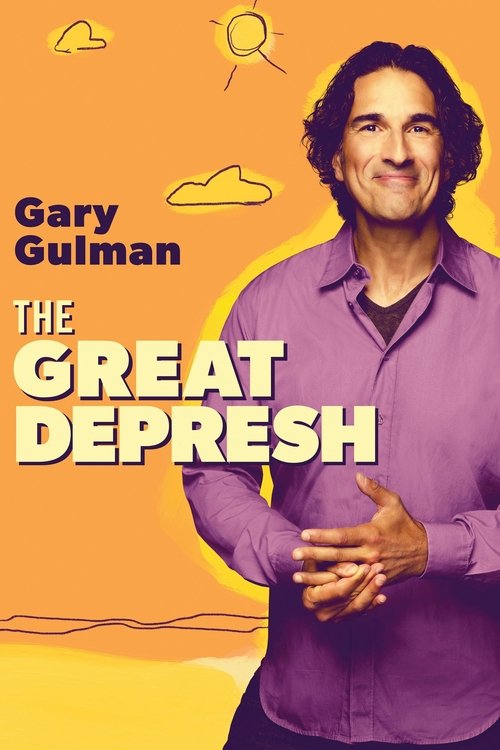
The special excels in its sophisticated handling of neurodivergence, treating mental health as a nuanced, lived reality rather than a cliché. By deconstructing the stoic male archetype, it offers a progressive look at masculinity through vulnerability. However, the production is demographically narrow. The focus on a singular white male perspective results in a lack of racial and ethnic diversity, limiting the work's multi-layered reach. Ultimately, the film's strength lies in its psychological depth and its ability to challenge social stigmas regarding emotional stability and invisible disabilities.
Category Breakdown
The special focuses on the comedian's individual psychological landscape rather than queer identities. It lacks specific presence of non-assuming gender matches what was assigned at birth narratives or critiques of the assumption that everyone is straight or cisgender.
Gulman subverts the 'strong, silent' male cliché by centering on social anxiety and depression. This portrayal challenges traditional hierarchies of male competence and emotional stability.
The production centers on a singular, white male perspective. It lacks a diverse cast or perspectives reflecting multiple aspects of identity, focusing on individual experience over a multicultural framework.
The narrative prioritizes secularism and personal psychological truth over religious dogma. It frames individual struggles against the pressures of complex, modern social structures.
The work provides a character navigating clinical depression with high ability to act. It treats neurodivergence as a complex, lived reality rather than a mere plot device.
Present on Screen
Limited or Absent
Official Synopsis
In his first HBO comedy special, Gary Gulman offers candid reflections on his struggles with depression through stand-up and short documentary interludes. While speaking to issues of mental health, Gulman also offers his observations on a number of topics, including his admiration for Millennial attitudes toward bullying, the intersection of masculinity and sports, and how his mother's voice is always in his head.
2017
2017

2016

2019
2015
2015
2022
2018
No reviews yet. Be the first to share your thoughts on this movie!
Use the rating form above to leave a star rating and optional review.