
Outlaw Comic: The Censoring of Bill Hicks
2003
No user ratings available yet
Representation score: 5.0 out of 10
Representation Score
Good
2015
Director
Bobcat Goldthwait
Runtime
106 minutes
Average Rating
No ratings yetNew Showbiz Analysis
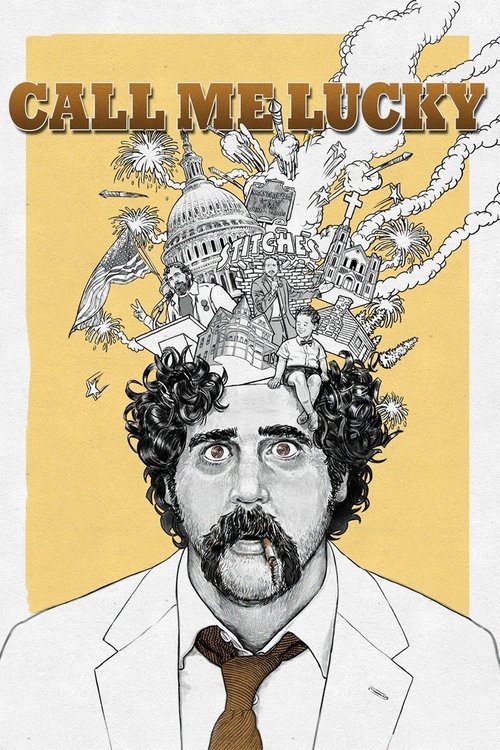
Call Me Lucky is a sophisticated biographical film that avoids the usual sanitized portrayal of documentaries. It uses a modern perspective to explore how systemic trauma influences an individual's political and social actions. The film's strength is in its examination of power structures and the validation of the outsider experience. It goes beyond a simple biography to delve into the psychological complexities of a man shaped by his past. However, the film is limited by its focus on a specific historical period and a central male character. While it questions traditional masculinity, it doesn't offer much in terms of diverse representation.
Category Breakdown
The film highlights the comedy underground, a space closely tied to queer identity. Though it doesn't show same-sex intimacy directly, it recognizes the safe havens Barry Crimmins created for performers from underrepresented communities.
The story focuses on Barry Crimmins, a man known for his rough and unpredictable nature. It steers clear of traditional male leadership roles but doesn't emphasize female empowerment or challenge gender norms.
The movie looks at the professional world of the 1970s and 80s. While it doesn't highlight non-white populations, it suggests a growing diversity in comedy through the younger generation.
The documentary shines in its critique of established institutions and traditional societal norms. It honors Crimmins' political anger as a reaction to systemic issues and childhood trauma.
The film provides a detailed look at the psychological impact of trauma. It treats mental health as a core part of identity rather than just a plot element.
Present on Screen
Limited or Absent
Official Synopsis
An inspiring, triumphant and wickedly funny portrait of one of comedy’s most enigmatic and important figures, CALL ME LUCKY tells the story of Barry Crimmins, a beer-swilling, politically outspoken and whip-smart comic whose efforts in the 70s and 80s fostered the talents of the next generation of standup comedians. But beneath Crimmins’ gruff, hard-drinking, curmudgeonly persona lay an undercurrent of rage stemming from his long-suppressed and horrific abuse as a child – a rage that eventually found its way out of the comedy clubs and television shows and into the political arena.
2003
2017
2009
1974
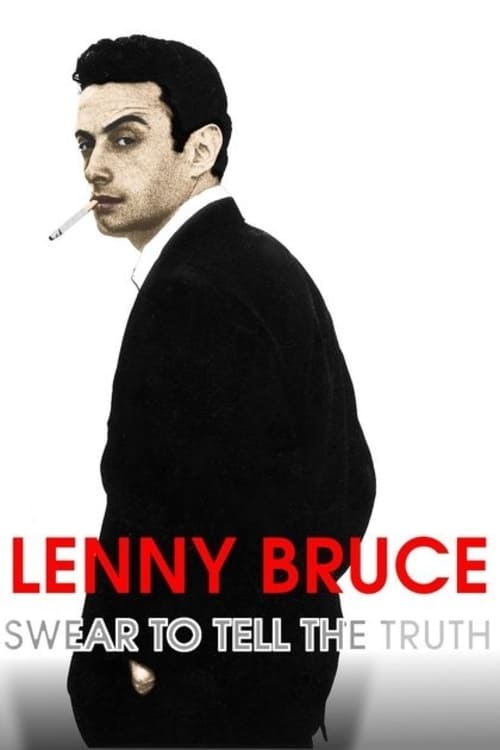
1998
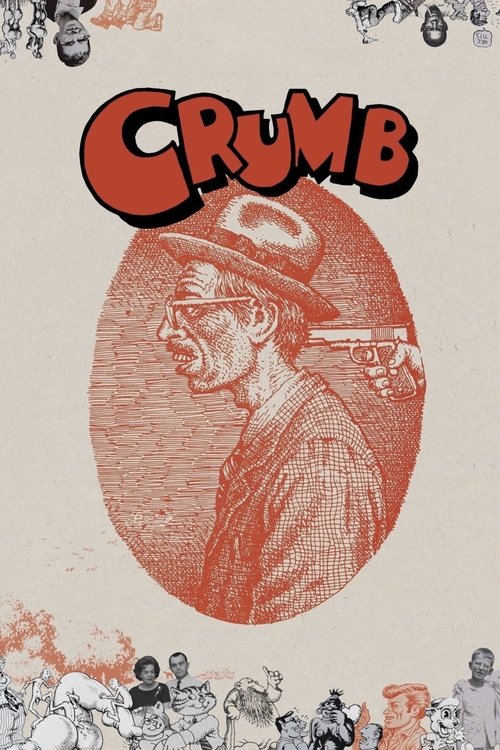
1995
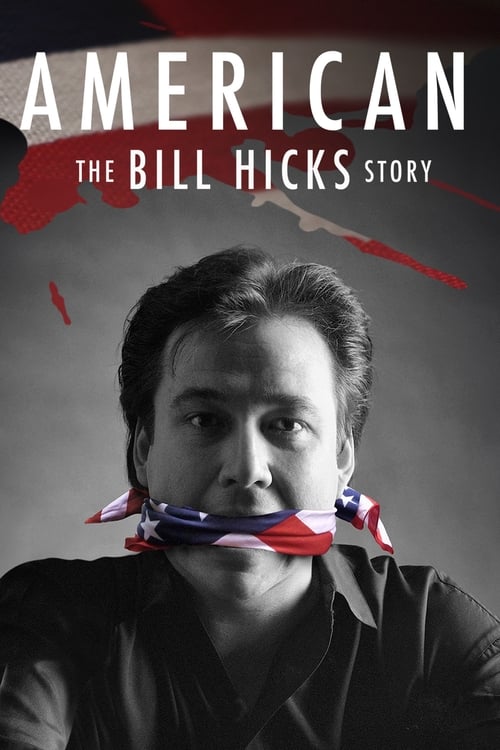
2010
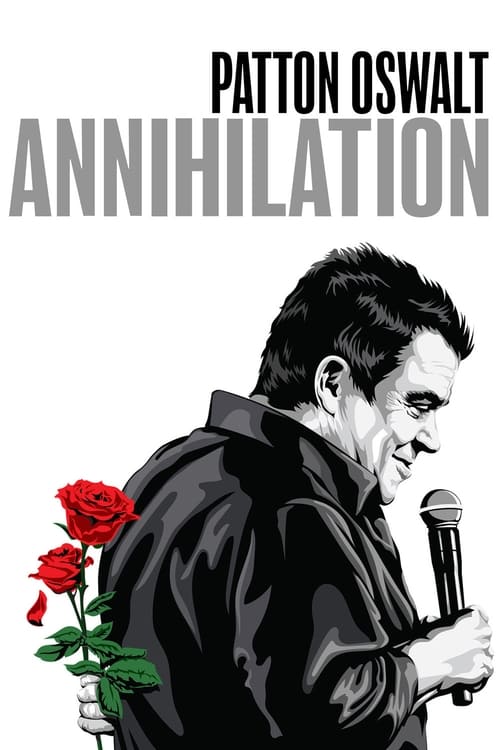
2017
No reviews yet. Be the first to share your thoughts on this movie!
Use the rating form above to leave a star rating and optional review.