The Covered Pushcart
1949
No user ratings available yet
Representation score: 0.3 out of 10
Representation Score
Minimal
1948
Director
Arthur Davis
Runtime
7 minutes
Average Rating
No ratings yetNew Showbiz Analysis
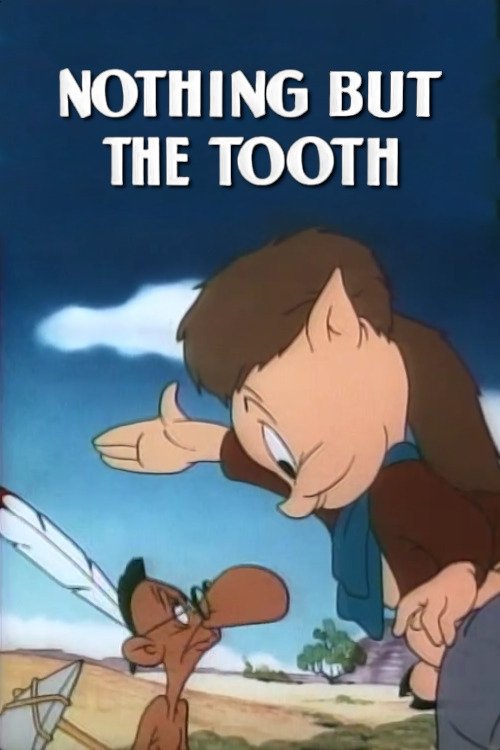
Nothing But the Tooth is a product of late 1940s cinematic conventions, relying heavily on established cultural archetypes and historical caricatures. The narrative structure follows a binary conflict between a settler archetype and an indigenous antagonist. Rather than offering layered representation, the film reinforces historical hierarchies of the American West. The portrayal of the Mohican character serves the plot's conflict through a lens of predatory stereotypes. Ultimately, the film prioritizes traditional Western storytelling and the mythos of American progress. It lacks any intentionality toward challenging power dynamics or providing nuanced cultural perspectives.
Category Breakdown
The film does not include any LGBTQ+ identities or narratives related to gender identity. The story focuses solely on a traditional character-driven conflict.
The narrative centers around a single male protagonist. It adheres to mid-century animation archetypes that lack diverse gender representation or female characters.
The film depicts a Mohican character using a formulaic approach. This indigenous figure is portrayed as a predatory antagonist, reinforcing historical stereotypes without providing nuanced representation.
The story operates within a traditional Western expansionist framework. It celebrates the Gold Rush era and the pioneer journey without deconstructing historical institutions.
There are no visible or invisible disabilities portrayed with significant roles or as part of the character development.
Present on Screen
Limited or Absent
Official Synopsis
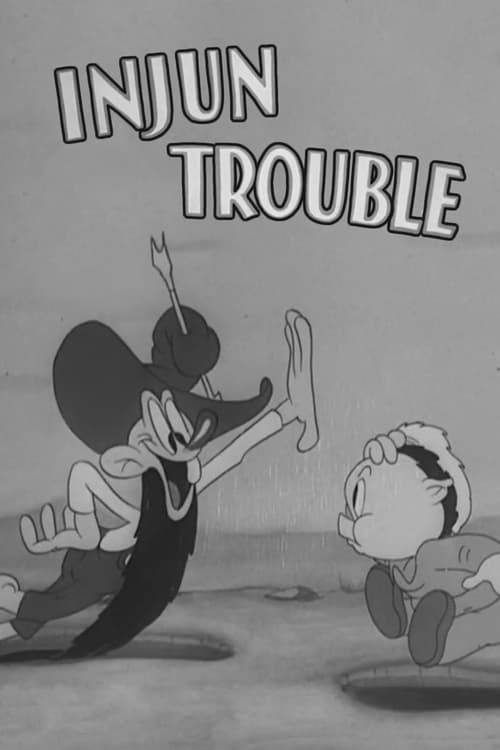
Porky Pig travels by horse-pulled, covered wagon to California to join in the 1848 Gold Rush and is ambushed by a diminutive, large-nosed, nasal-voiced, ever-so-polite Mohican with glasses, who wants to scalp the west-bound pig.
1949
1939
1948
1940
1938
1941
1941
1947
No reviews yet. Be the first to share your thoughts on this movie!
Use the rating form above to leave a star rating and optional review.